Category: Cultural Heritage
-
Birrigai Rock Shelter
Local people have visited Birrigai Rock Shelter, in what is now Tidbinbilla Nature Reserve, Canberra, since the height of the last Ice Age. Migrating Bogong Moths provided them with a rich food source. Recently, scientists have discovered that the moths navigate their way to Birrigai using the Milky Way.
-
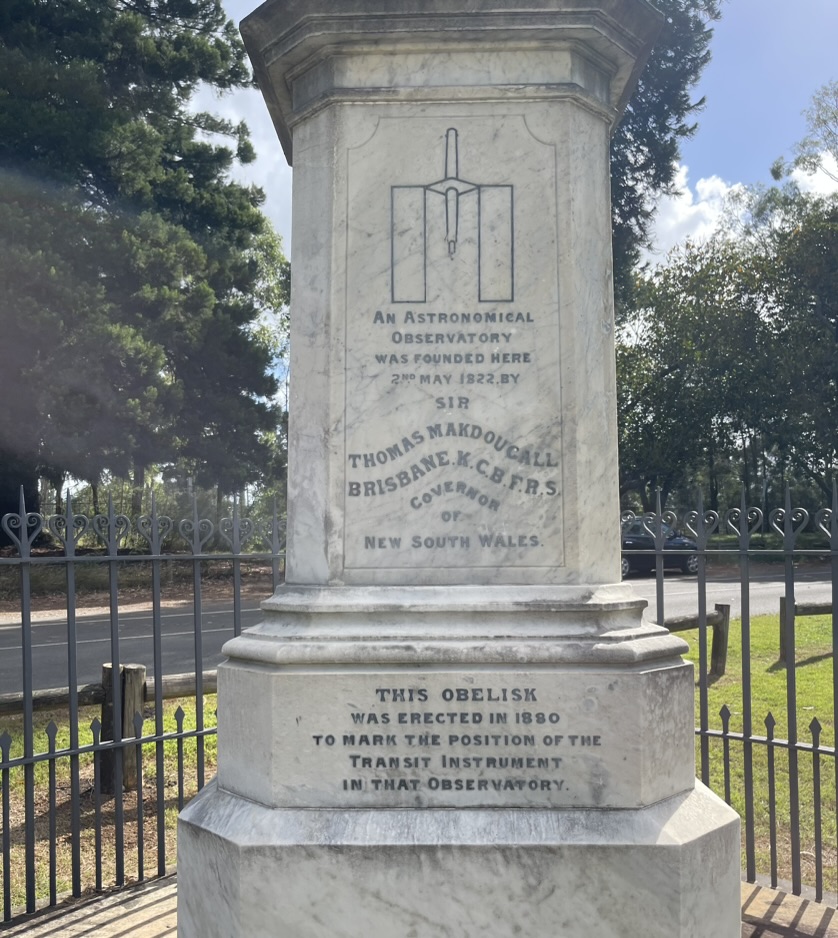
Parramatta Observatory
Parramatta Observatory was established in 1822 by astronomer Sir Thomas Brisbane, sixth governor of the New South Wales, soon after he and his family arrived in the colony. Although only a few sandstone pillars that once supported Brisbane’s instruments remain, this site in Parramatta Park connects us to our colonial…
-

Chau Chak Wing Museum
The Chau Chak Wing Museum’s collection of artifacts from Southwest Asia, Egypt, and the Mediterranean tells us more about the diverse ways our ancient ancestors understood the universe and populated it with deities and mythic heroes.
-
Oddie telecope
The Oddie Telescope was installed in Ballarat by philanthropist James Oddie to educate the public about astronomy. It was donated to the Commonwealth in 1909 and established at Mount Stromlo in 1911. Its dome the first Commonwealth building in Canberra. The Oddie was destroyed in the catastrophic 2003 bush fires.
-
Orroral Valley Tracking Station
The Orroral Valley Tracking Station, located in Namadgi National Park, ACT, was part of NASA’s tracking network for Earth-orbiting satellites. Situated 50 km south of Canberra, it represents Australia’s historical role in space exploration. More information can be found on dedicated websites and social media posts.
-
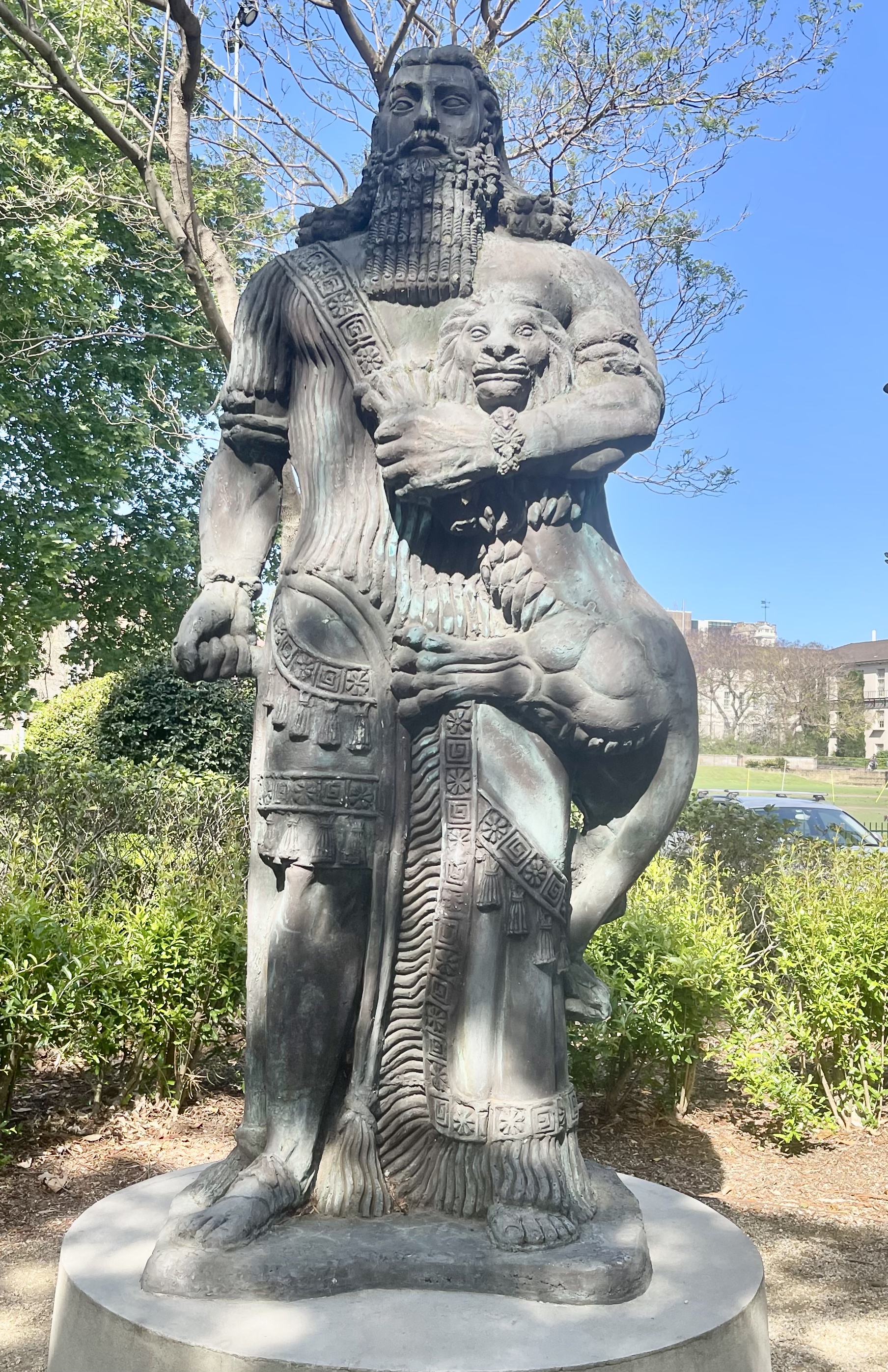
Statue of Gilgamesh
Sydney University’s statue of the mythic Mesopotamian cultural hero Gilgamesh, by Lewis Batros, takes us back to a time when people in southwestern Eurasia were inscribing their stories on clay tablets. One of these is the eponymous Epic which encodes ancestral sky knowledge, including still-familiar constellations of stars.
-

Dawes Point Ta-Ra
Dawes Point Tar-Ra, on Gadigal Country, is the location of European Australia’s first astronomical observatory, established in 1788 by William Dawes. A young local woman, Patyegarang, taught Dawes her language, which he documented. His notebooks have since been used to revive ‘The Sydney Language’ following its loss due to the…
-
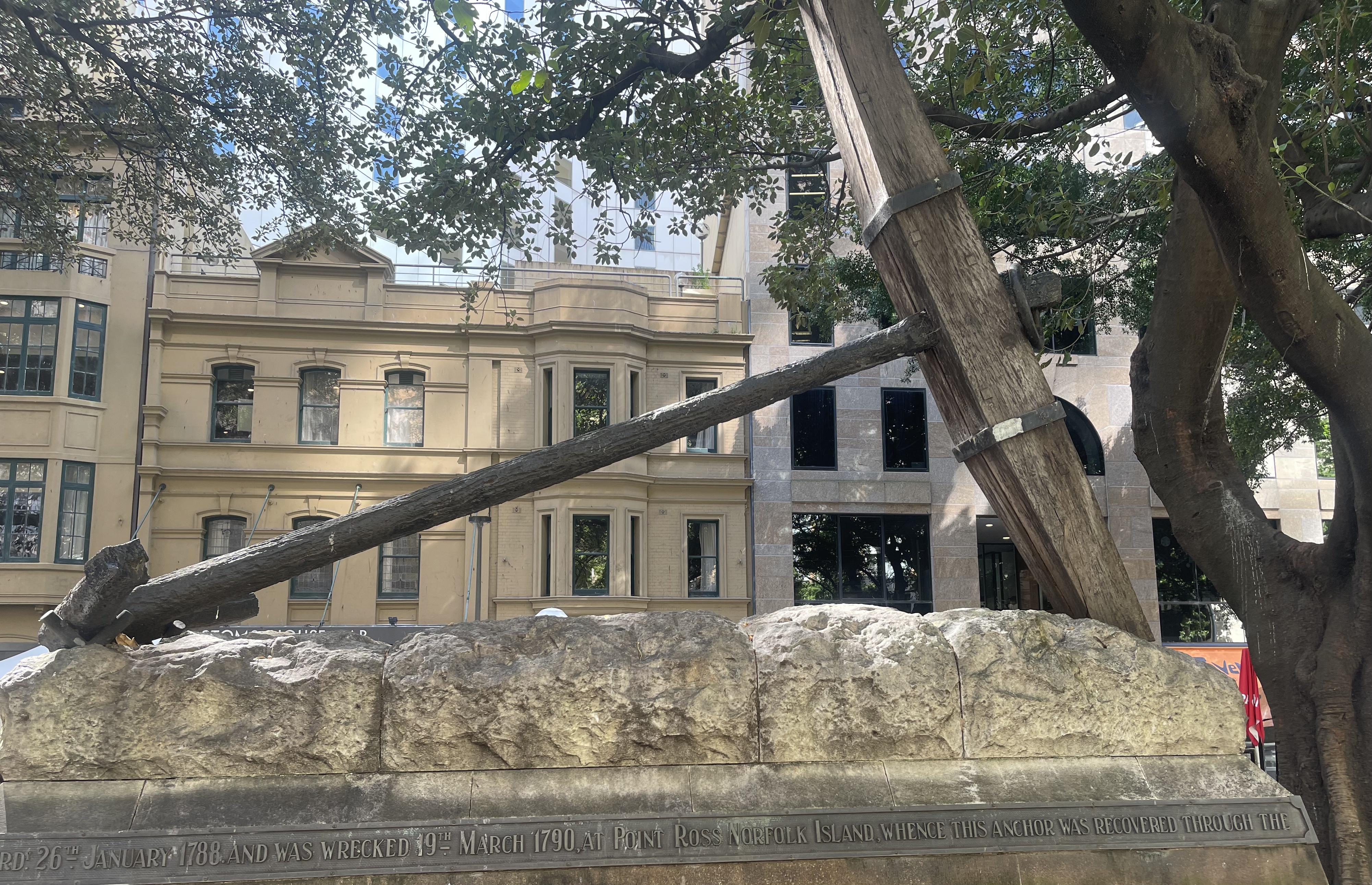
HMS Sirius
HMS Sirius was the flagship of imperial Britain’s First Fleet, which sailed into what is now Sydney Harbour in 1788. It was named for Sirius, the brightest star in the night sky and one of the most culturally significant. The ship was wrecked off Norfolk Island in 1790. Its anchor…
-
Gaanha bula (Mount Canobolas)
Gaarnha Bula Mount Canobolas, an extinct volcano near Orange, NSW, stands 1,390 meters above sea level. It is culturally significant to Wiradjuri people and a biodiversity hotspot, with diverse flora, fauna and fungi. It also hosts many communication towers, recreational activities, including stargazing, and many farms and vineyards on its…
-
Linden Observatory
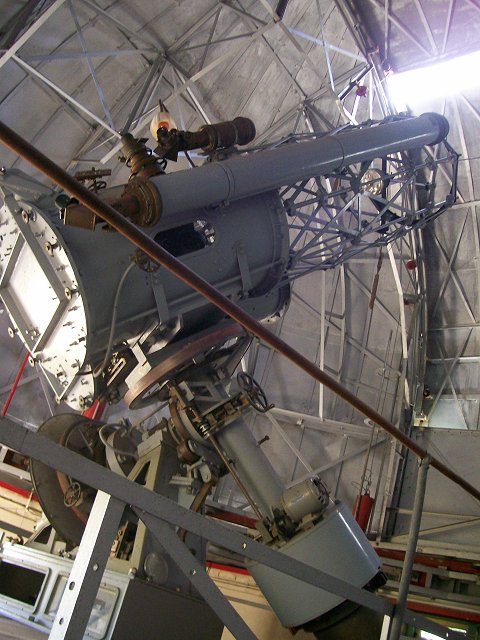
Linden Observatory, in the Blue Mountains, NSW, was established by engineer and amateur astronomer Ken Beames in the 1940s. Now managed by a charity, it is home to what was once Australia’s largest optical telescope. The site is in urgent need of volunteers to help preserve and maintain it, however.
-
Copernicus at Sydney University
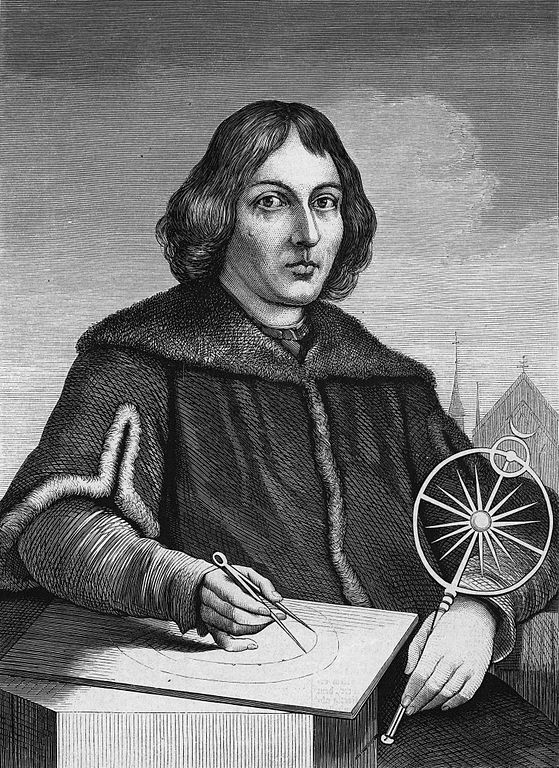
We don’t have any sites directly associated with the European monk, astronomer, astrologer, mathematician and general polymath Nicolaus Copernicus (1473 – 1543), of course, but the University of Sydney does have a very rare 1566 edition of his famous book, De revolutionibus orbium coelestium (On the Revolutions of the Heavenly…
-

La Perouse Museum
La Perouse Museum, on the northern headland of Kamay Botany Bay, occupies the 1882 Cable Station overlooking Kamay-Botany Bay. In 1788 a French scientific expedition, led by Comte de Lapérouse, spent six weeks in the Bay. French astronomers erected a temporary observatory on the foreshore near this site.
-
My Seven Sisters Dreaming
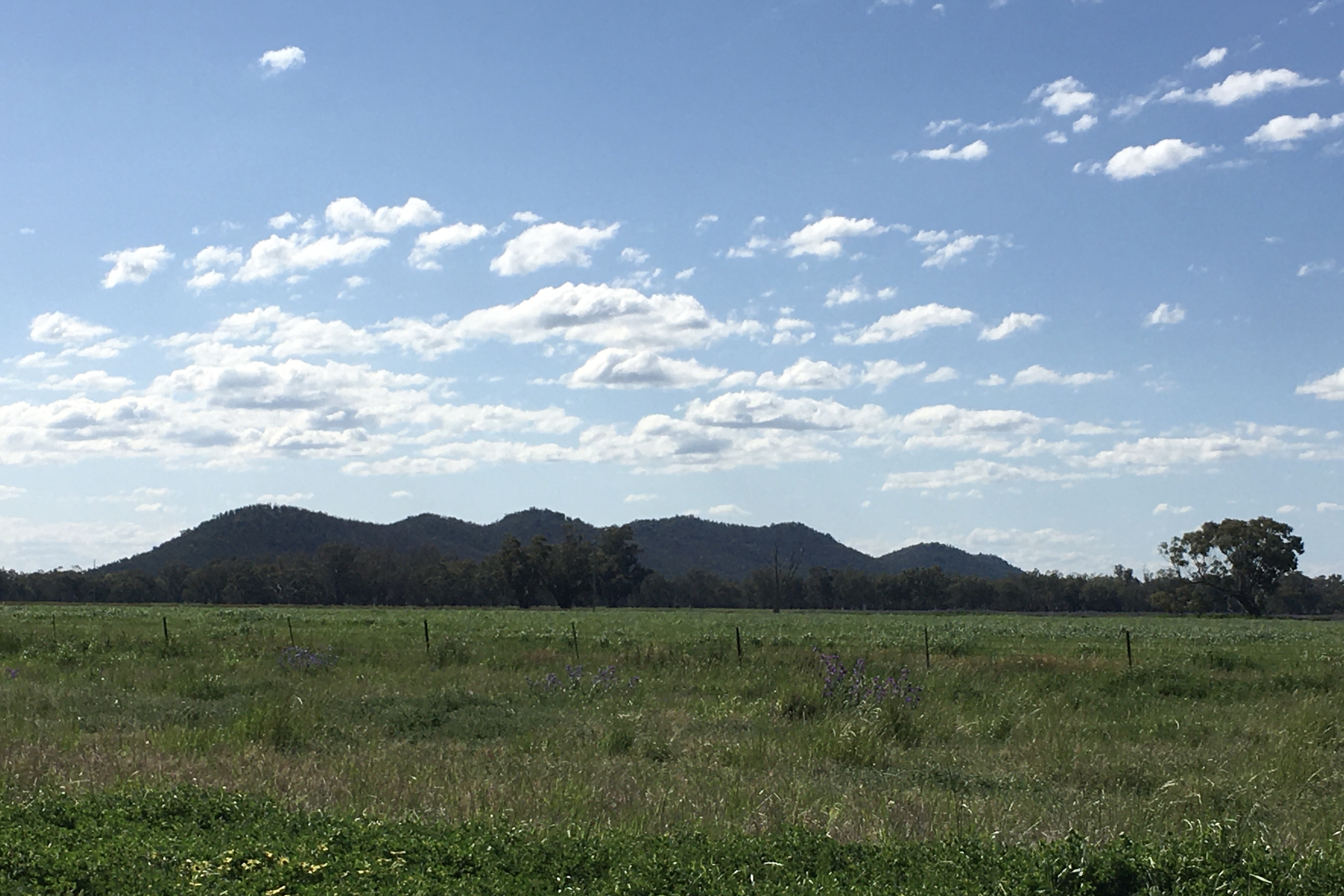
Merrill Findlay reflects on the cultural significance of the Pleiades star cluster and Seven Sisters Ridge, in Wiradjuri Country. Her story explores the impacts of colonisation, including the loss of life and knowledge, with particular reference to the 1824 declaration of martial law by British astronomer and colonial Governor, Sir…
-

Wahluu (Mount Panorama)
Wiradyuri people commemorated the 200th anniversary of Governor Brisbane’s 1824 declaration of martial law with a corroboree on Wahluu, their sacred mountain. ‘Martial law was the beginning of the almost complete annihilation of Wiradyuri in this region and this story was almost forgotten,’ Wiradyuri leader Yanhadarambal (Jade Flynn) said.
-
Tebbutt’s Observatory
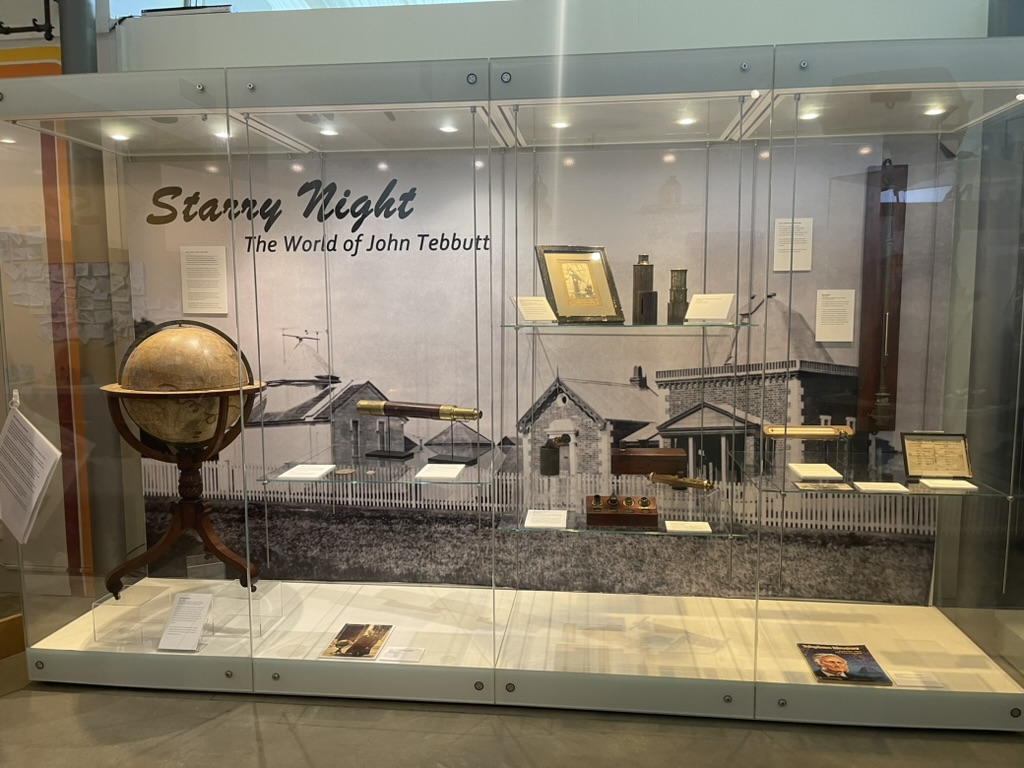
John Tebbutt’s Observatory in Windsor, NSW, is a significant but underrecognized 19th-century astro-heritage site. Scholarly literature details Tebbutt’s outstanding astronomical achievements and his contribution to colonial society. The site, which includes the historic Tebbutt homestead, faces an uncertain future and urgently requires financial support to ensure its preservation.
-
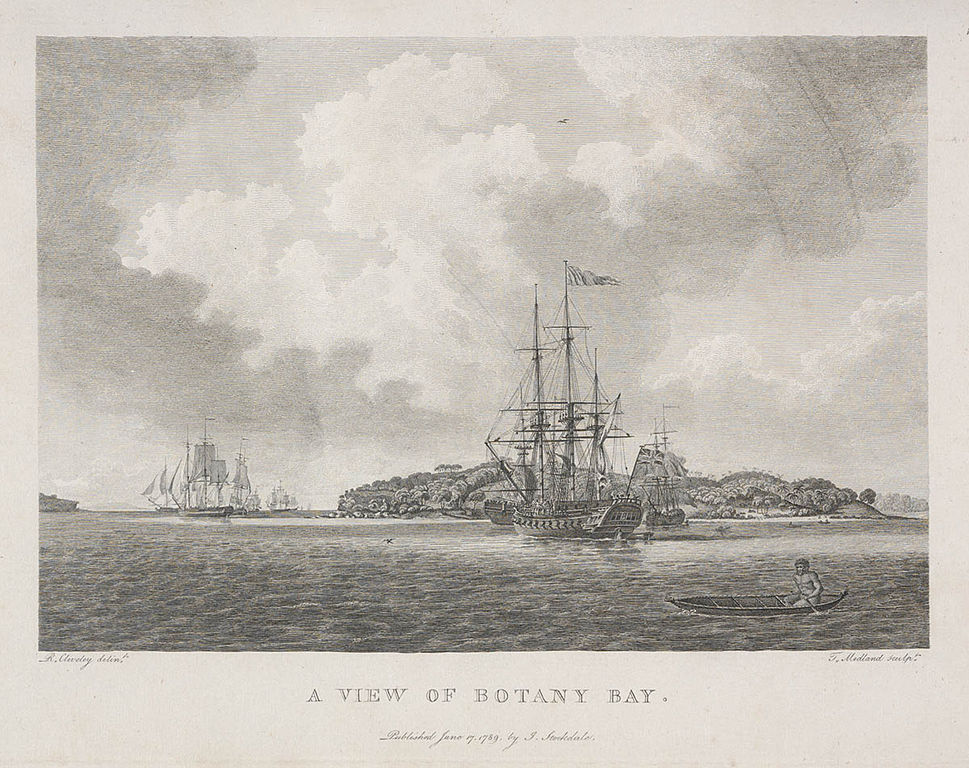
Kamay-Botany Bay 1788
In 1788 the eleven ships of Britain’s so-called First Fleet sailed into Kamay-Botany Bay followed, soon after, by the two French ships of Compte de La Pérouse‘s scientific expedition. Both of these arrivals were extraordinarily consequential, although in different ways.
-
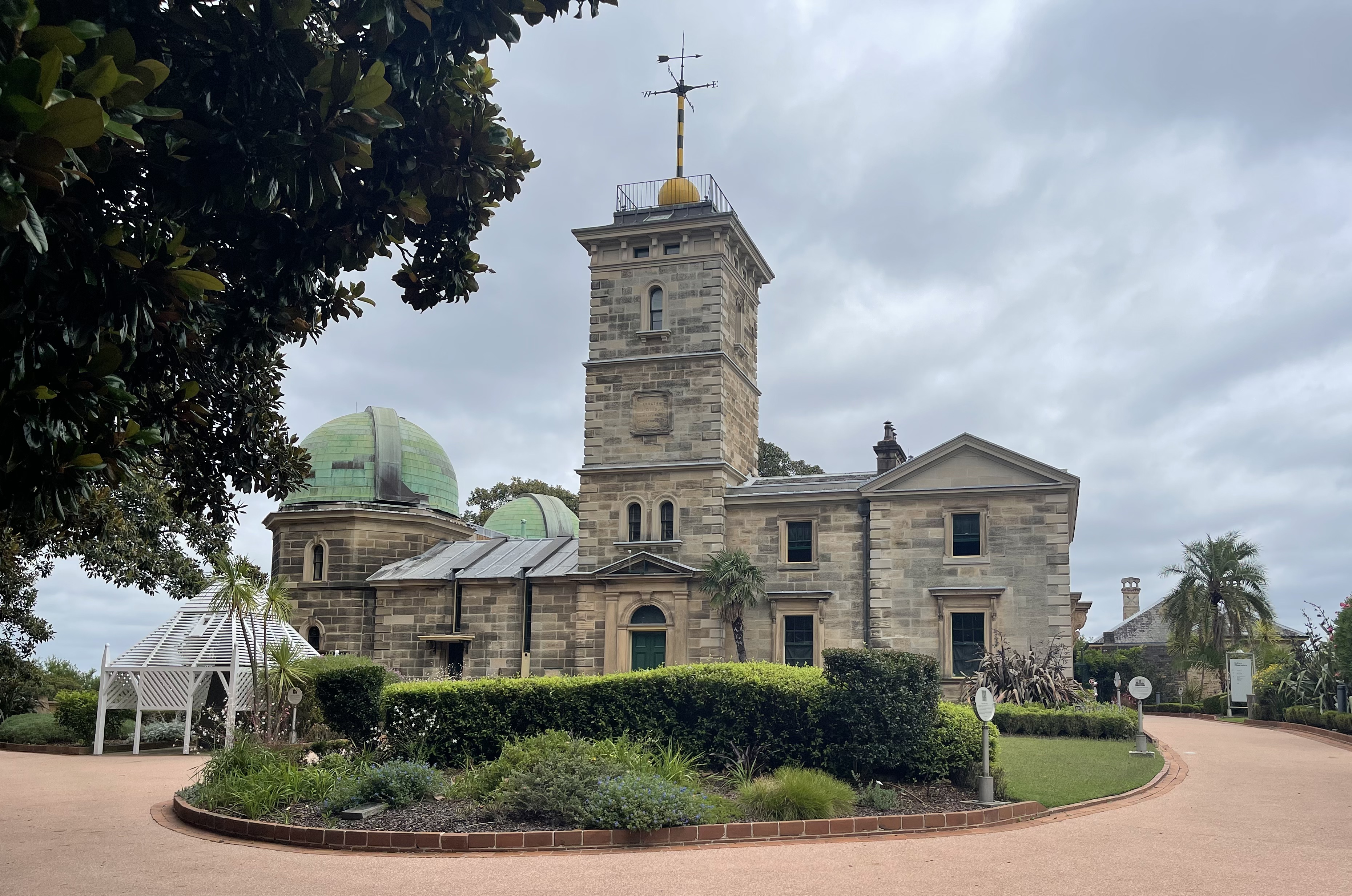
Sydney Observatory
Sydney Observatory, on Observatory Hill, Millers Point, is a historic astronomical observatory completed in 1858. It is now part of the city’s Powerhouse Museum. It offers public tours and educational programs and exhibits related to astronomy, including Indigenous astronomy. It remains a significant landmark in the city.
