Category: Astro-heritage
-

Amaterasu over Cowra
During WWII, thousand Japanese Prisoners of War (POWs) were interned at Cowra, NSW. Each morning, their Shinto sun goddess, Amaterasu, rose ito illuminate their day, and many men prayed to her. In 1944, they attempted a mass escape, the Cowra Breakout, which is now commemorated annually with strong Japanese participation.
-
Birrigai Rock Shelter
Local people have visited Birrigai Rock Shelter, in what is now Tidbinbilla Nature Reserve, Canberra, since the height of the last Ice Age. Migrating Bogong Moths provided them with a rich food source. Recently, scientists have discovered that the moths navigate their way to Birrigai using the Milky Way.
-
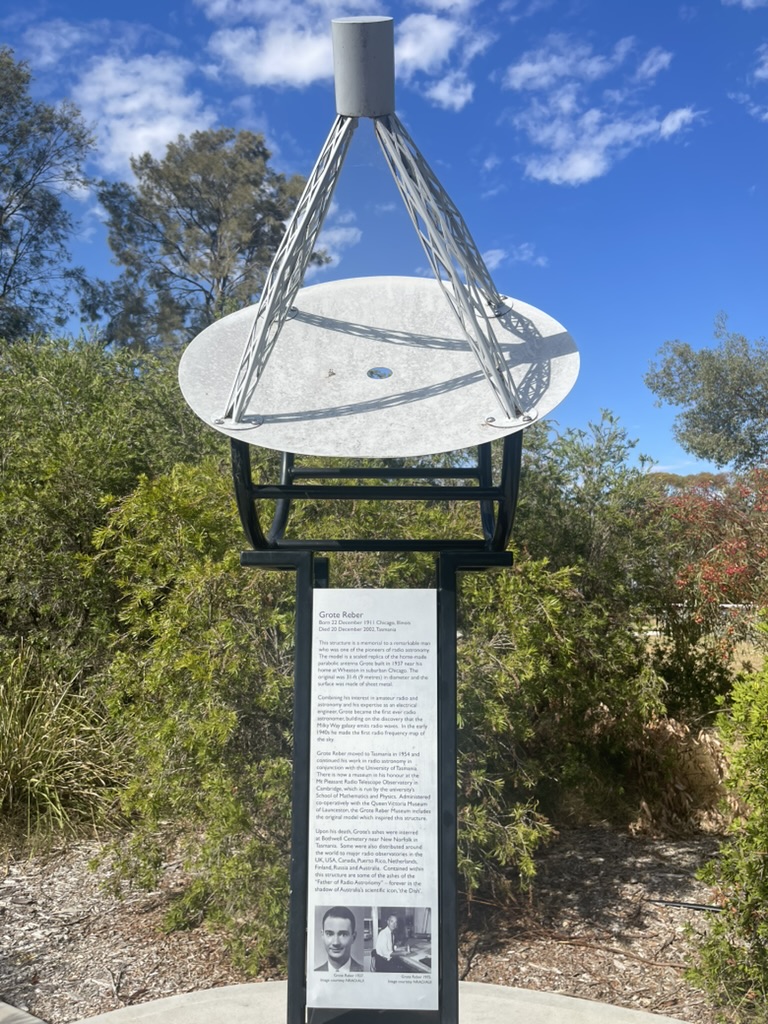
Grote Reber Memorial
Grote Reber (1911-2002), one of the pioneers of radio astronomy, settled in Australia in 1954. A memorial to his contribution to astrophysics at the Parkes Observatory includes a replica of his parabolic antenna made in 1937.
-

Newton’s Apple Tree
The apple trees at Parkes Observatory descend from the tree in Sir Isaac Newton’s garden said to have inspired his theory of gravitation. Albert Einstein later developed his own theory of gravity (General Theory of Relativity) which astrophysicists have tested using Murriyang, the Parkes radio telescope.
-
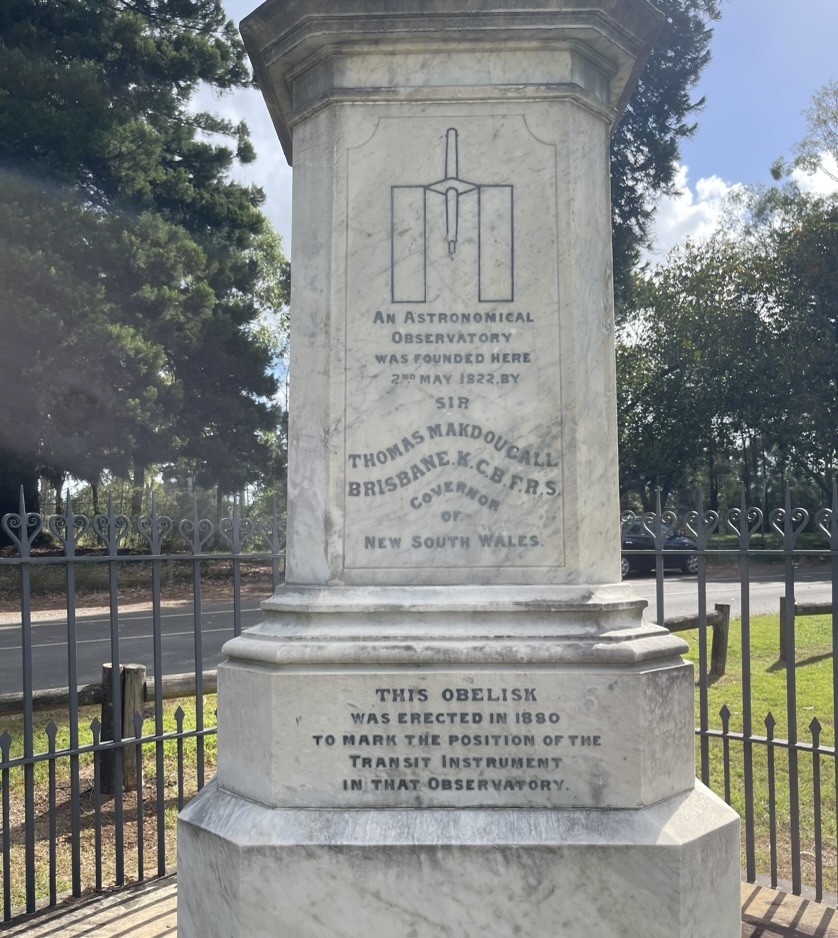
Parramatta Observatory
Parramatta Observatory was established in 1822 by astronomer Sir Thomas Brisbane, sixth governor of the New South Wales, soon after he and his family arrived in the colony. Although only a few sandstone pillars that once supported Brisbane’s instruments remain, this site in Parramatta Park connects us to our colonial…
-

UpCyc: Reactivating an old Radio Telescope
UpCyc, a 10-metre heritage radio antenna at the University of Canberra, was originally used for tracking satellites at Canberra’s Orroral Valley Tracking Station. It is now being restored by University staff and students for educational and research purposes. Its new site includes protected habitat for the endangered Golden Sun Moth.
-

Chau Chak Wing Museum
The Chau Chak Wing Museum’s collection of artifacts from Southwest Asia, Egypt, and the Mediterranean tells us more about the diverse ways our ancient ancestors understood the universe and populated it with deities and mythic heroes.
-
Oddie telecope
The Oddie Telescope was installed in Ballarat by philanthropist James Oddie to educate the public about astronomy. It was donated to the Commonwealth in 1909 and established at Mount Stromlo in 1911. Its dome the first Commonwealth building in Canberra. The Oddie was destroyed in the catastrophic 2003 bush fires.
-
Orroral Valley Tracking Station
The Orroral Valley Tracking Station, located in Namadgi National Park, ACT, was part of NASA’s tracking network for Earth-orbiting satellites. Situated 50 km south of Canberra, it represents Australia’s historical role in space exploration. More information can be found on dedicated websites and social media posts.
-
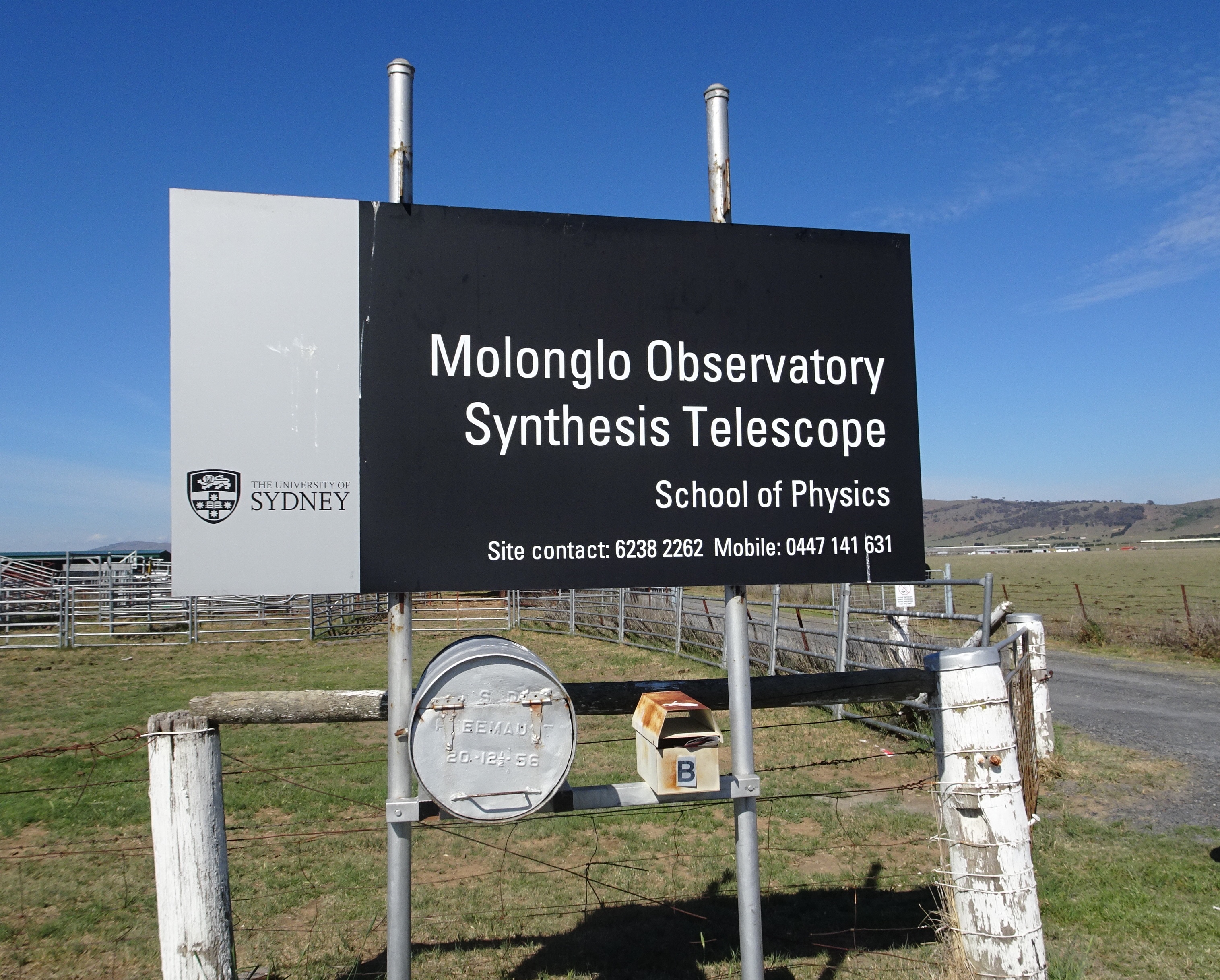
Molonglo Observatory Synthesis Telescope
The Molonglo Observatory Synthesis Telescope (MOST), is a parabolic cylindrical antenna owned by the University of Sydney near the village of Hoskinstown, NSW. Although it has undergone multiple upgrades, and has been used to make many important discoveries, its future remains uncertain due to changing technological and research needs.
-

Physics Building, University of Sydney
Sydney University’s historic Physics Building, designed by Richard Threlfall in 1886, hosts the Sydney Institute of Astronomy and the School of Physics, led by astrophysicist Professor Tara Murphy. Although the architecture emphasises the University’s very Euro-centric C19th scientific heritage, what’s happening inside is much more inclusive and exciting.
-

Mopra Radio Telescope
Mopra Telescope near Coonabarabran, NSW, is a 22-metre radio telescope operated by CSIRO’s Australia Telescope National Facility (ATNF). In 2014 it faced budget cuts but was saved through a crowdfunding campaign, which raised over $90,000 for research. Mopra operate as a single dish or as part of ATNF’s long baseline…
-
Fleurs Radio Telescopes
CSIRO’s Fleurs Field Station was a pioneering radio astronomy observatory near Penrith, NSW, which operated from 1954 to 1963. Its most innovative instruments included the ‘Chris Cross’ and the Kennedy Antenna, now at the Parkes Observatory and known by its new Wiradjuri name, Giyalung Guluman (Smart Dish).
-

Giyalung Miil, Parkes Observatory
The Giyalung Miil, a 12-meter antenna at Parkes Observatory in Central West New South Wales, was commissioned in 2008. It tests technology for the Australian Square Kilometre Array Pathfinder (ASKAP), situated at the Murchison Observatory in remote Western Australia.
-
Giyalung Guluman, Parkes Observatory
Giyalung Guluman, or Smart Dish, is a decommissioned 18-meter radio astronomy telescope at CSIRO’s Parkes Observatory in New South Wales. It was built in 1960 at CSIRO’s Fleurs site at Penrith and moved to Parkes in 1963. Known then as the Kennedy Dish or Antenna, it was given its Wiradjuri…
-

Woodford Academy
In December 1874, astronomers set up a camp at Woodford Academy in the Blue Mountains to observe the Transit of Venus, an event critical for measuring the Earth-Sun distance. It was the first transit since 1769 and provided vital astronomical data to enhance our understanding of the universe.
-

Potts Hill Field Station
Potts Hill, in south-western Sydney, was home to a pioneering radio astronomy station from the late 1940s to the 1950s. Those who worked here included Australia’s first female astrophysicist, Ruby Payne-Scott. Discoveries made at Potts Hill established the then-new science of ration astronomy.
-
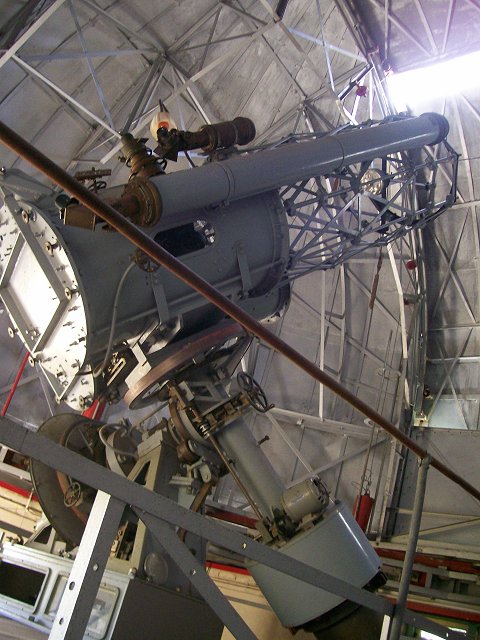
Linden Observatory
Linden Observatory, in the Blue Mountains, NSW, was established by engineer and amateur astronomer Ken Beames in the 1940s. Now managed by a charity, it is home to what was once Australia’s largest optical telescope. The site is in urgent need of volunteers to help preserve and maintain it, however.
-

Rodney Reserve, Dover Heights
Rodney Reserve at Dover Heights, Sydney, a former WWII radar station, is one of Australia’s most important radio astronomy heritage sites. Between 1946 to 1954 it was CSIRO’s Division of Radiophysics leading field station. Its various radio antennae were pivotal to the advancement of radio astronomy.
-

Collaroy Plateau
In October 1945, scientists Joe Pawsey, Ruby Payne-Scott, and Lindsay McCready modified a WWII radar station at Collaroy Plateau, Sydney, and detected strong radio emissions from the Sun. This event marked the birth of Australian radio astronomy. The site, now known as Collaroy Plateau Park, commemorates this historic achievement.
-
Copernicus at Sydney University
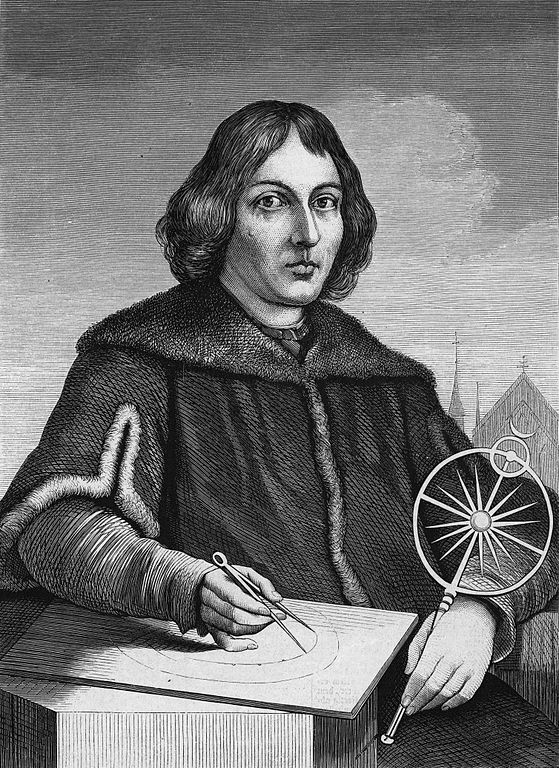
We don’t have any sites directly associated with the European monk, astronomer, astrologer, mathematician and general polymath Nicolaus Copernicus (1473 – 1543), of course, but the University of Sydney does have a very rare 1566 edition of his famous book, De revolutionibus orbium coelestium (On the Revolutions of the Heavenly…
-
Mount Stromlo Observatory
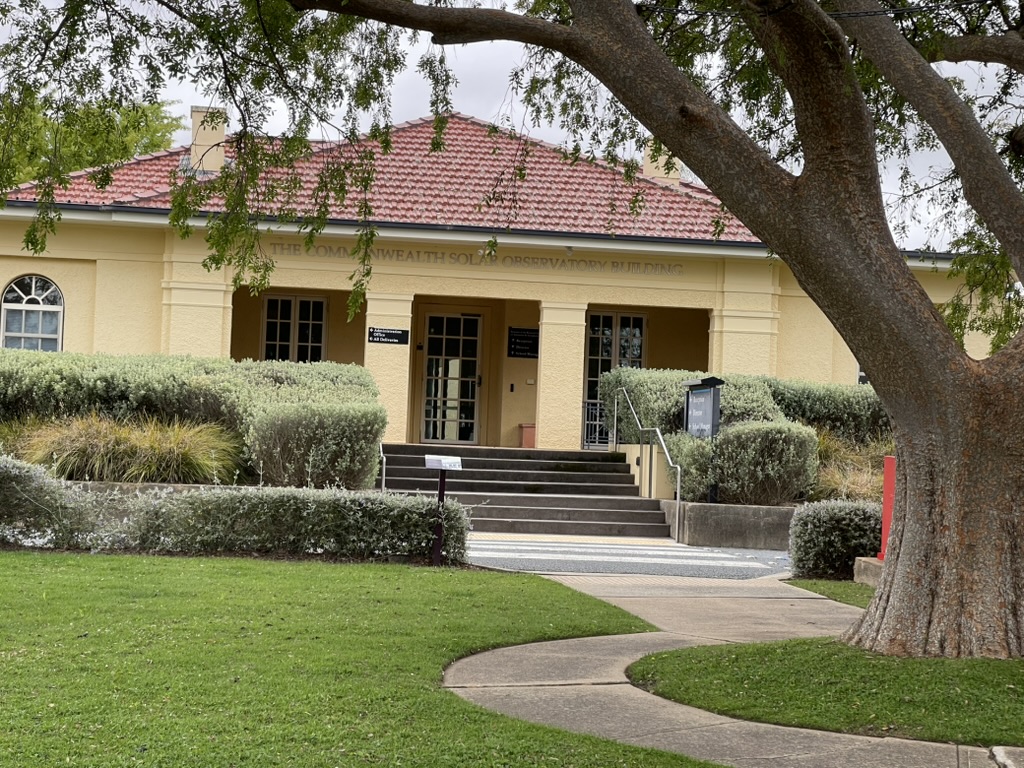
The Australian National University’s Mount Stromlo Observatory on the outskirts of Canberra, houses ANU’s Research School of Astronomy and Astrophysics (RSAA), its many heritage telescopes, and other facilities, including the Advanced Instrumentation and Technology Centre, MSATT Astronomy Teaching facility, and the new Quantum Communication Ground Station.
-

La Perouse Museum
La Perouse Museum, on the northern headland of Kamay Botany Bay, occupies the 1882 Cable Station overlooking Kamay-Botany Bay. In 1788 a French scientific expedition, led by Comte de Lapérouse, spent six weeks in the Bay. French astronomers erected a temporary observatory on the foreshore near this site.
-
Cook At Kurnell
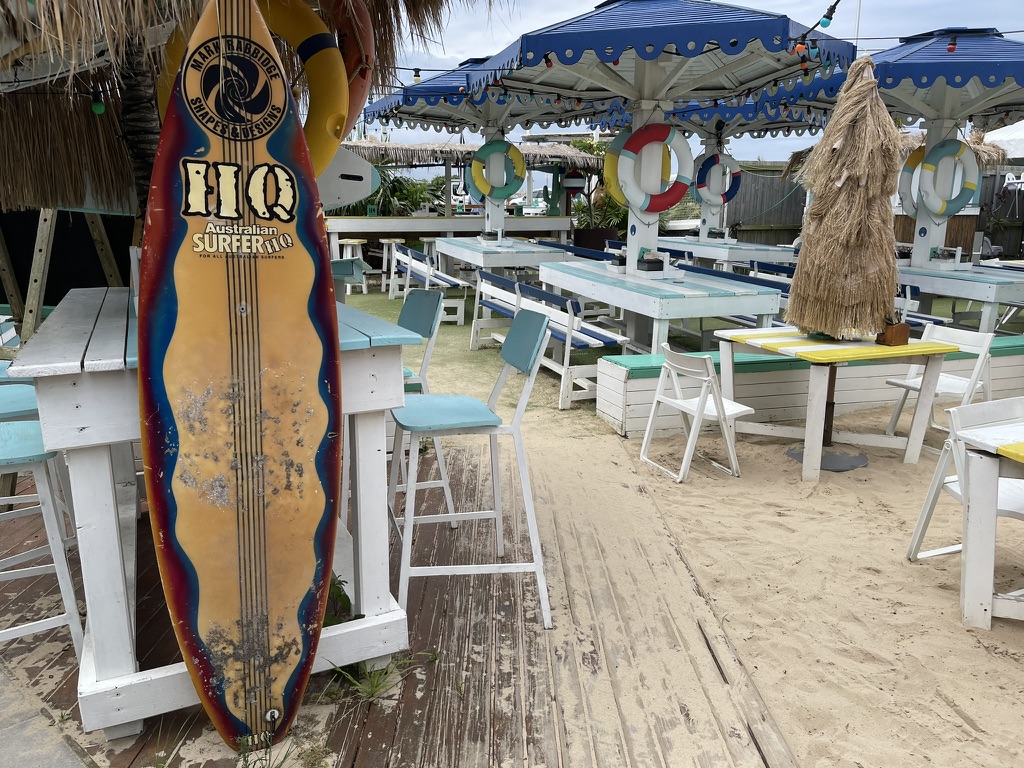
Cook At Kurnell, a uniquely quirky outdoor cafe overlooking Kamay-Botany Bay, in the very culturally diverse industrial suburb of Kurnell, is our first astro-gastronomy site. It takes its name from the British ship Endeavour’s captain, Lt James Cook, who came ashore not far from this cafe in 1770.
-
Kamay-Botany Bay National Park
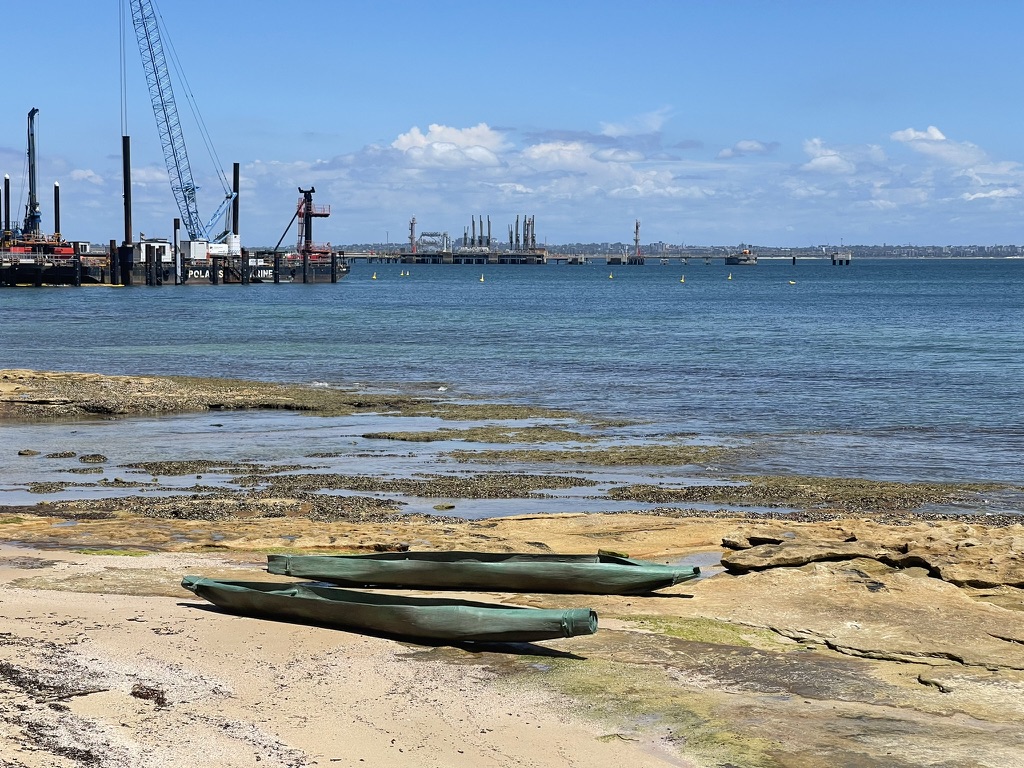
The Kamay-Botany Bay astro-sites are difficult to write about because interactions here between the region’s First Peoples and Europeans in 1770, 1788, and in later years, have been so profoundly consequential. Future IAT posts will acknowledge this heritage in the spirit of truth-telling, with reference to the following themes: Page…
-

Murriyang: Parkes Radio Telescope
Murriyang is a 64-meter radio telescope at Parkes Observatory, part of CSIRO’s Australia Telescope National Facility (ATNF) network. Operational since 1962, it has been used to make many fundamental discoveries. Murriyang played a crucial role in the Apollo 11 Moon Landing and now supports NASA’s Artemis mission to return to…
-
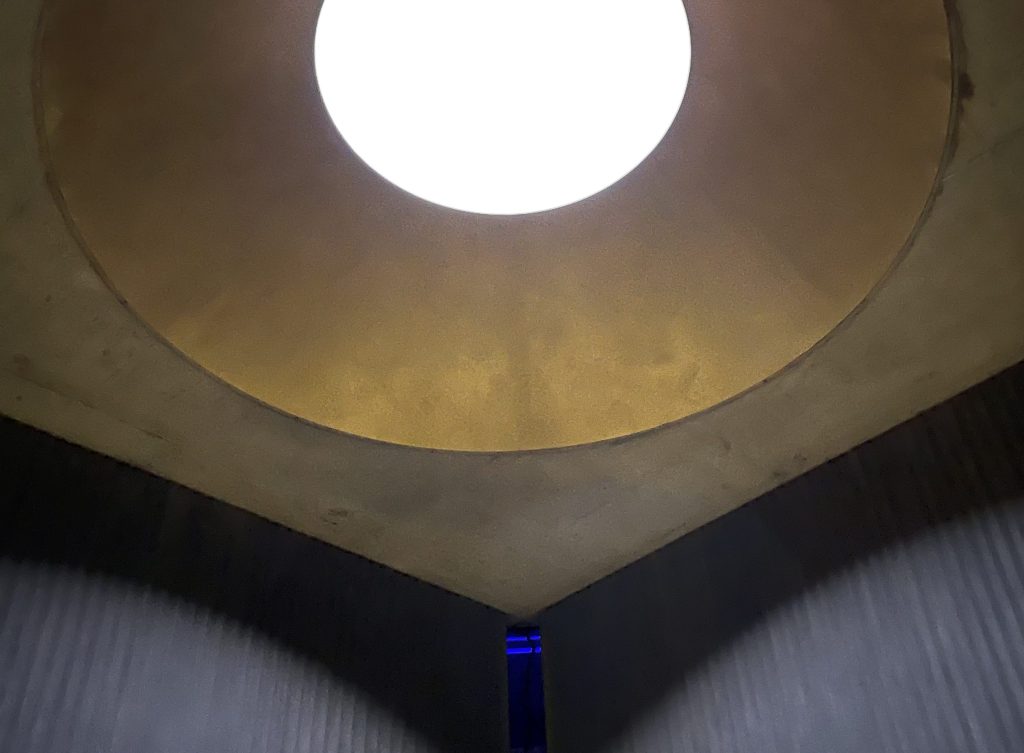
Cobar Sound Chapel
The Cobar Sound Chapel is a remote 120-year-old water tank repurposed by composer George Lentz and architect Glen Murcutt AO to beam C21st music to the universe 24/7. This immersive artwork offers visitors unique auditory, visual, cognitive and even spiritual experiences in the Australian Outback.
-

Celestial Highway
On a road trip into Wiradjuri Country after a painful divorce, author Carly Lorente reflects on themes of grief, identity, and belonging. She finds connection at the Condo SkyFest: Miima Warrabinya, where ancient stories bridge cultural divides, fostering a sense of communal belonging and cosmic exploration.
-
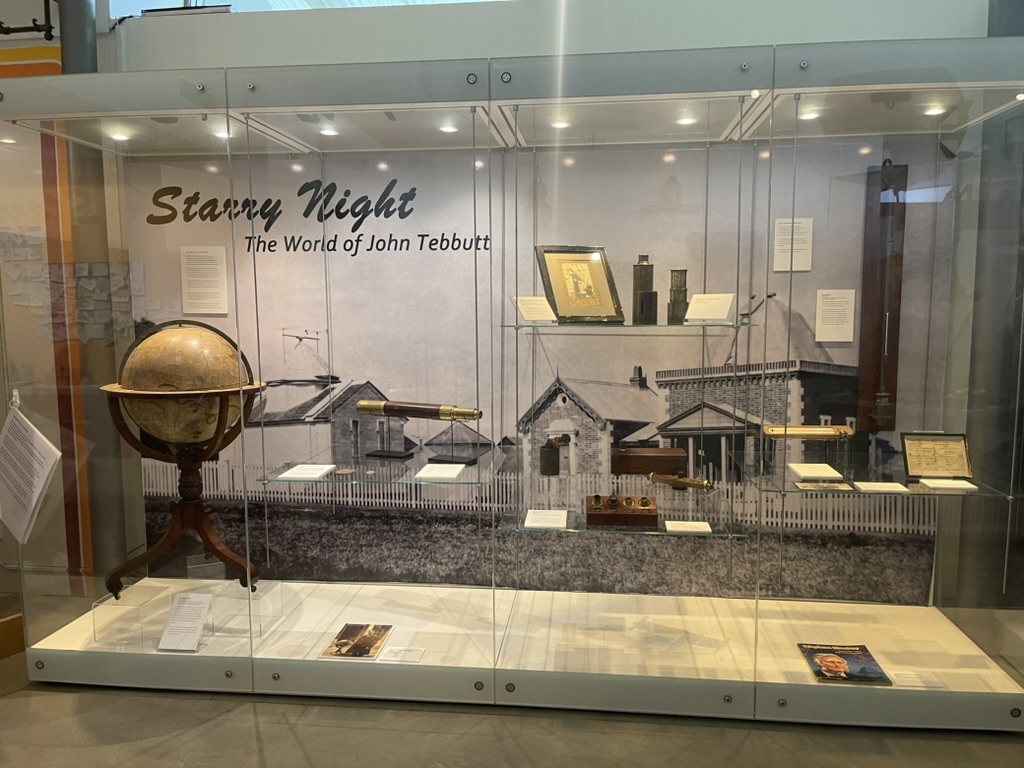
Tebbutt’s Observatory
John Tebbutt’s Observatory in Windsor, NSW, is a significant but underrecognized 19th-century astro-heritage site. Scholarly literature details Tebbutt’s outstanding astronomical achievements and his contribution to colonial society. The site, which includes the historic Tebbutt homestead, faces an uncertain future and urgently requires financial support to ensure its preservation.
-
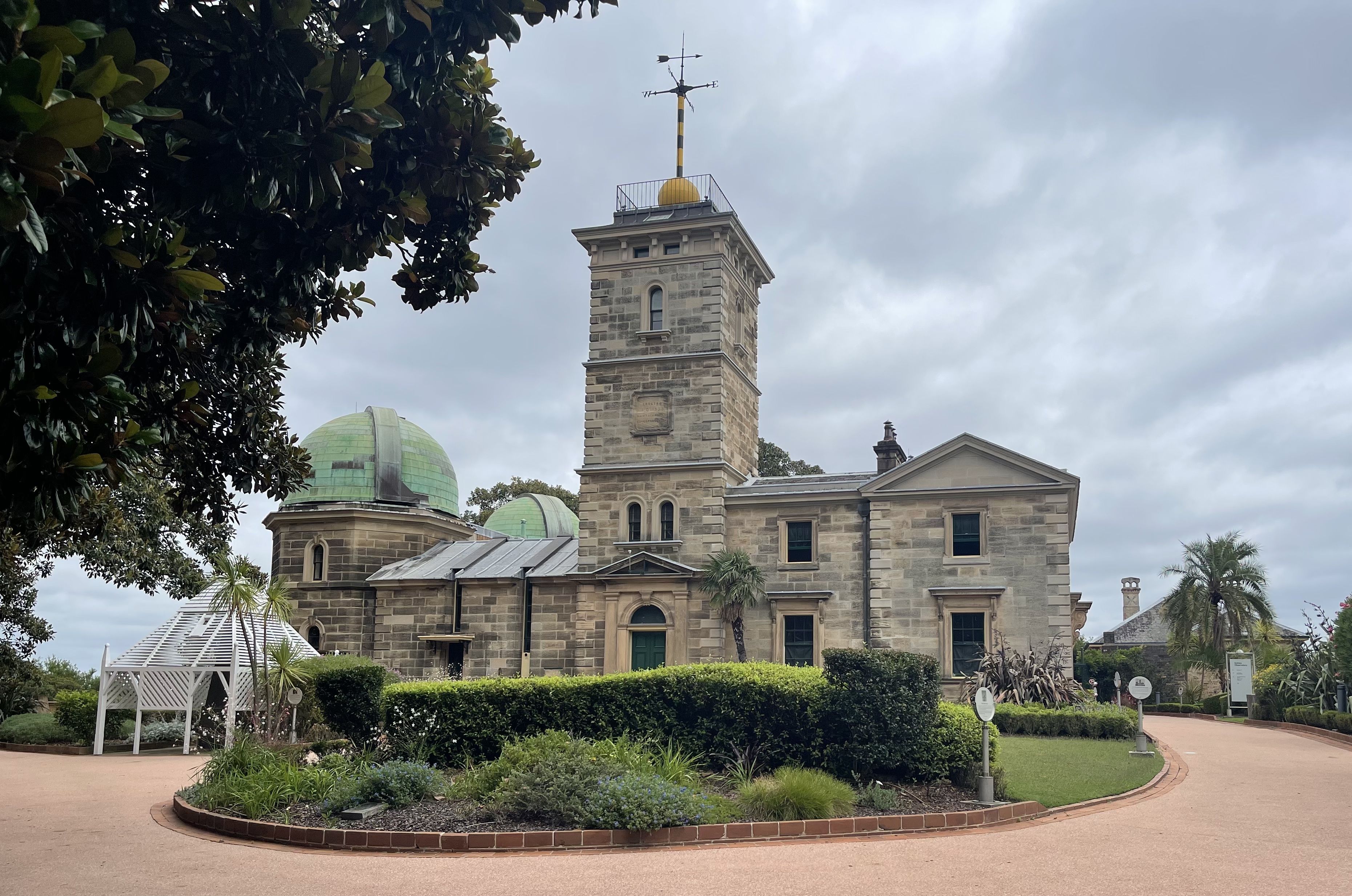
Sydney Observatory
Sydney Observatory, on Observatory Hill, Millers Point, is a historic astronomical observatory completed in 1858. It is now part of the city’s Powerhouse Museum. It offers public tours and educational programs and exhibits related to astronomy, including Indigenous astronomy. It remains a significant landmark in the city.
-
Parkes Observatory
Parkes Observatory, located 18 km northeast of Parkes, New South Wales, hosts three radio telescopes managed by CSIRO. These are the 64-metre Murriyang, the decommissioned 18-metre Giyalung Guluman (Kennedy Dish), and the 12-metre Giyalung Miil. The site also hosts a Visitors Discovery Centre and various other facilities.

