
-

IAT Poster 2025
The first IAT poster designed by Mel Hoey from Made of Fridays, Forbes, NSW, using photo graph of the night sky by Merrillee Redden, Blayney, NSW, Australia, in early 2025.
-

Wahluu (Mount Panorama)
Wiradyuri people commemorated the 200th anniversary of Governor Brisbane’s 1824 declaration of martial law with a corroboree on Wahluu, their sacred mountain. ‘Martial law was the beginning of the almost complete annihilation of Wiradyuri in this region and this story was almost forgotten,’ Wiradyuri leader Yanhadarambal (Jade Flynn) said.
-

Amaterasu over Cowra
During WWII, thousand Japanese Prisoners of War (POWs) were interned at Cowra, NSW. Each morning, their Shinto sun goddess, Amaterasu, rose ito illuminate their day, and many men prayed to her. In 1944, they attempted a mass escape, the Cowra Breakout, which is now commemorated annually with strong Japanese participation.
-
Birrigai Rock Shelter
Local people have visited Birrigai Rock Shelter, in what is now Tidbinbilla Nature Reserve, Canberra, since the height of the last Ice Age. Migrating Bogong Moths provided them with a rich food source. Recently, scientists have discovered that the moths navigate their way to Birrigai using the Milky Way.
-

Ophir Gold Fields
The discovery of commercial amounts of gold at this site in 1851 precipitated a gold rush, and transformed the colony. We have only recently learned that this heavy metal is created during the collision of two neutron stars, in what is called a kilonova.
-
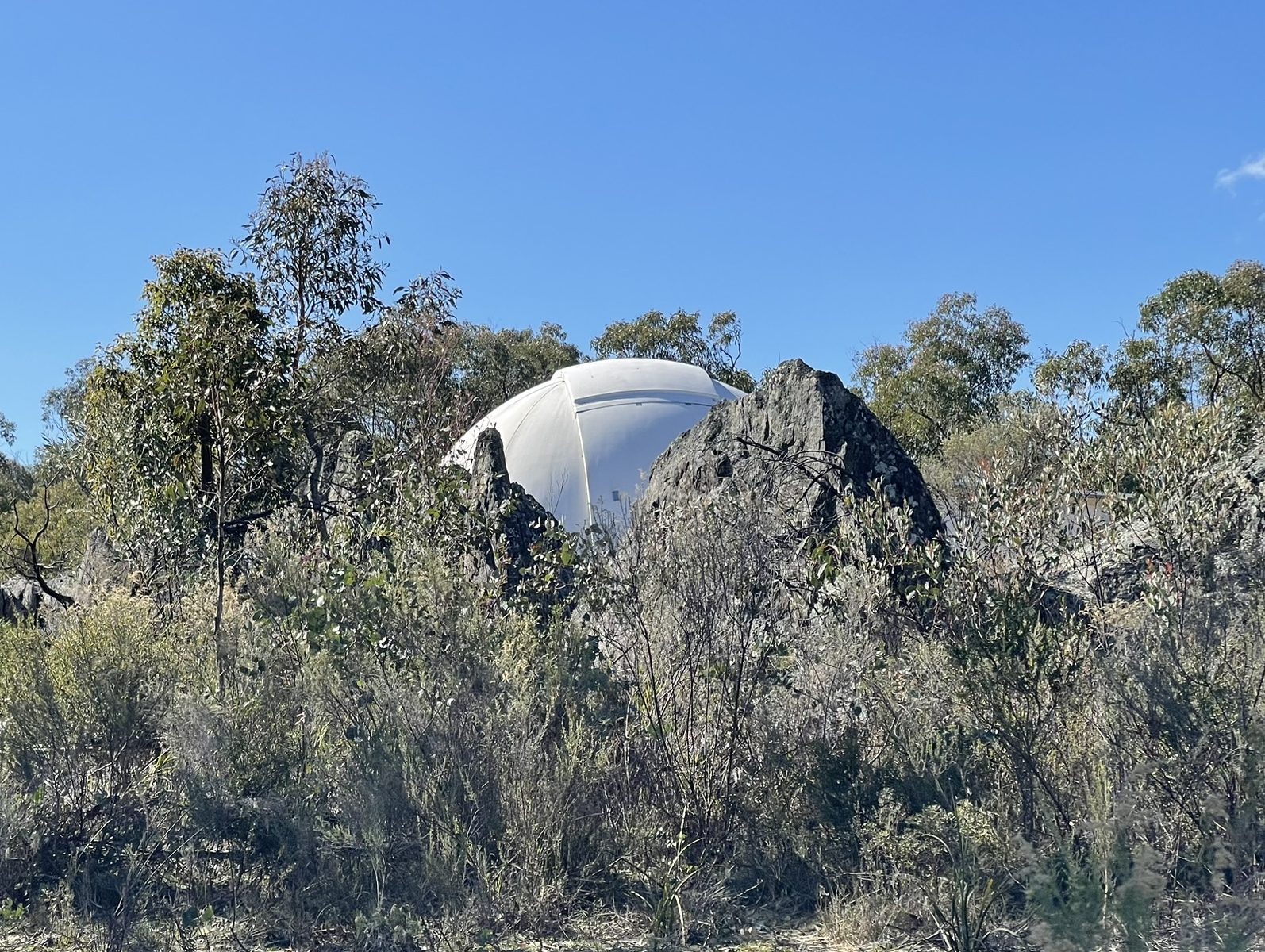
Bathurst Observatory Research Facility
Ray Pickard’s Bathurst Observatory Research Facility, in bushland near Billywillinga, NSW, offers excellent dark sky viewing from its dome, plus a concrete slab for outdoor mounted ‘scopes. Its exhibition hall features displays of meteorites, fossils, and other fascinating objects that reflect Ray’s passions.
-
![Bogan Gate Dark Sky Park[ing Lot]](https://inlandastrotrail.com/wp-content/uploads/2025/09/21A35B66-16CF-4BEC-92B1-7BDBAFE36C51_1_201_a-e1756864707173.jpg)
Bogan Gate Dark Sky Park[ing Lot]
The Bogan Gate Dark Sky Park(ing Lot) is an RV-friendly car parkin the tiny village of Bogan Gate, in the Parkes Shire, NSW, between the community hall and the famous Bogan Gate pub. The village expects to host an annual Dark Sky Festival during Science Week, starting in August 2026.
-
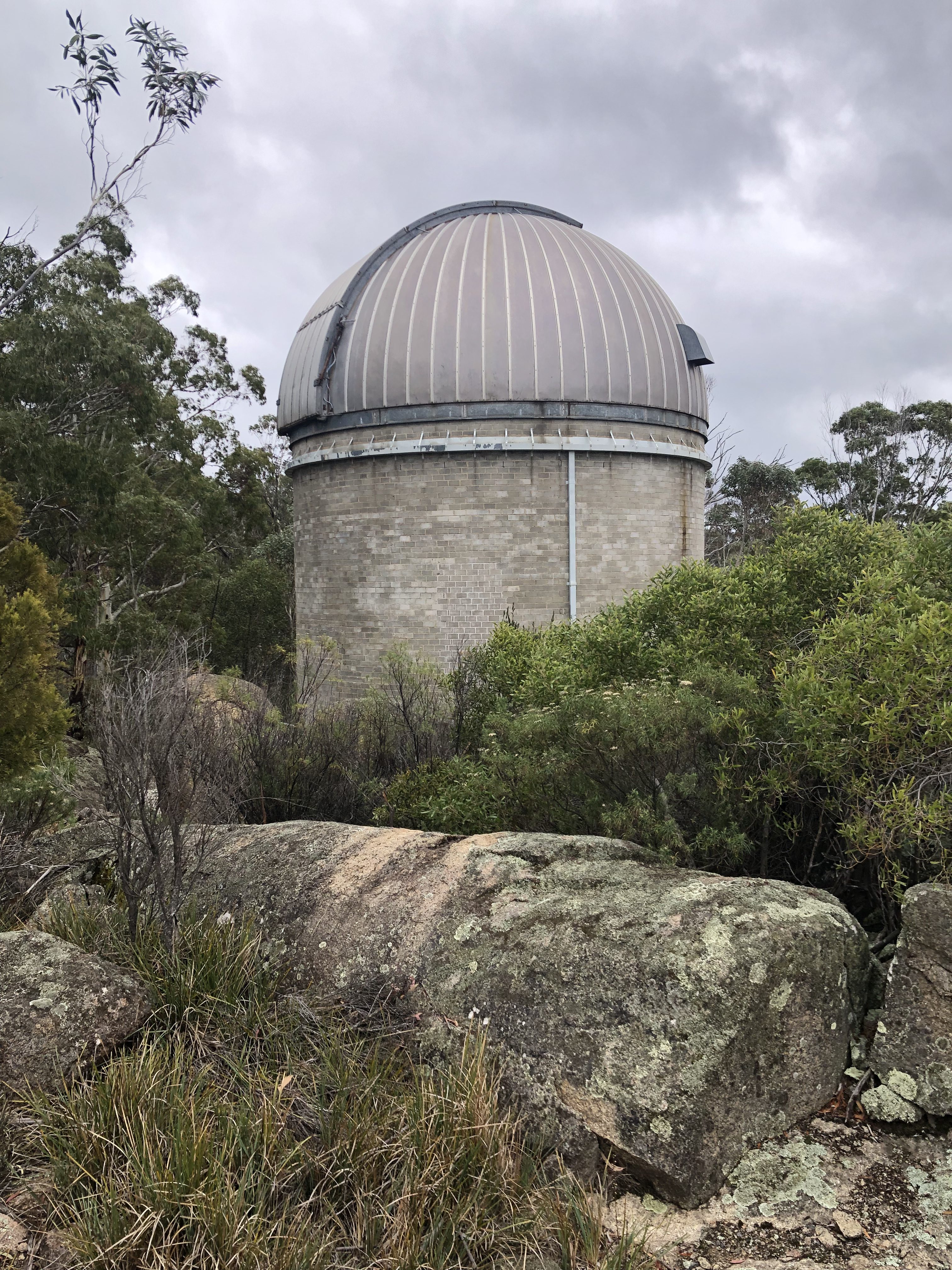
Orroral Geodetic Observatory
The Orroral Geodetic Observatory, established in 1974, was crucial for Australia’s satellite laser ranging program, enhancing geodesy by measuring Earth’s shape and gravity. It facilitated precise distance measurements to satellites vital for understanding tectonic movements and contributing data for climate change and geological studies. Operations ceased in the 1990s.
-
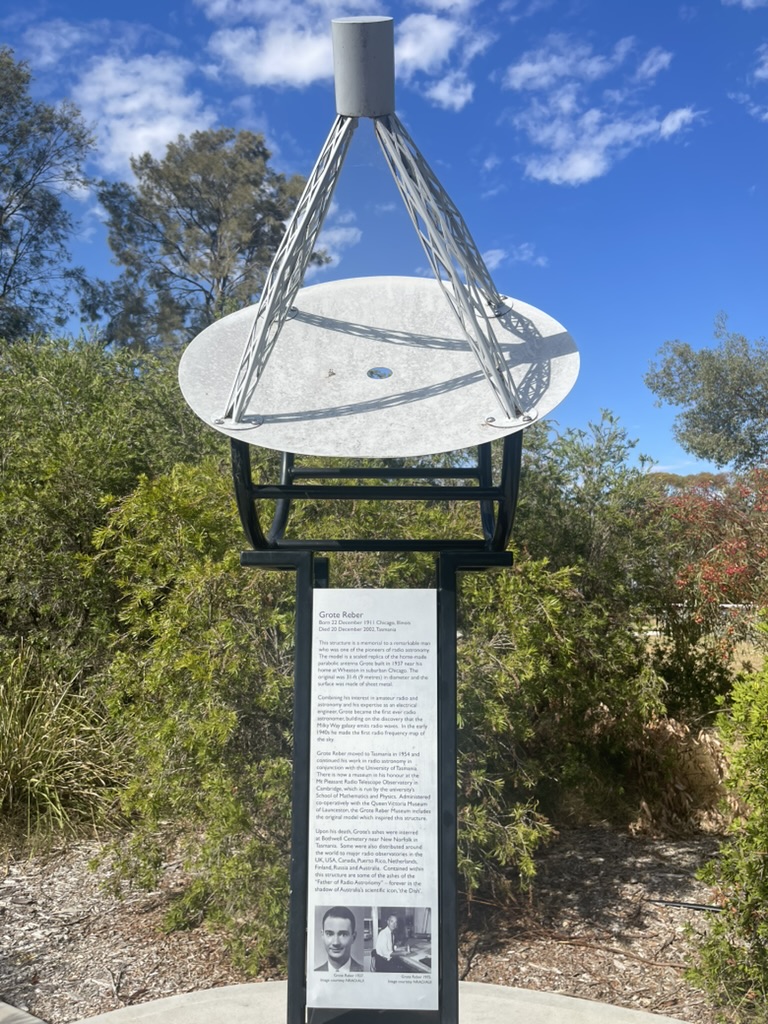
Grote Reber Memorial
Grote Reber (1911-2002), one of the pioneers of radio astronomy, settled in Australia in 1954. A memorial to his contribution to astrophysics at the Parkes Observatory includes a replica of his parabolic antenna made in 1937.
-

Newton’s Apple Tree
The apple trees at Parkes Observatory descend from the tree in Sir Isaac Newton’s garden said to have inspired his theory of gravitation. Albert Einstein later developed his own theory of gravity (General Theory of Relativity) which astrophysicists have tested using Murriyang, the Parkes radio telescope.
-

Mount Coonambro
Infrastructure on Mount Coonambro, in Central Western NSW, enabled the world to witness the 1969 Apollo Moon Landing. Today, this little mountain’s infrastructure receives and transmits satellite data for a local community radio station, 97.9 Valley FM, and for many other purposes.
-
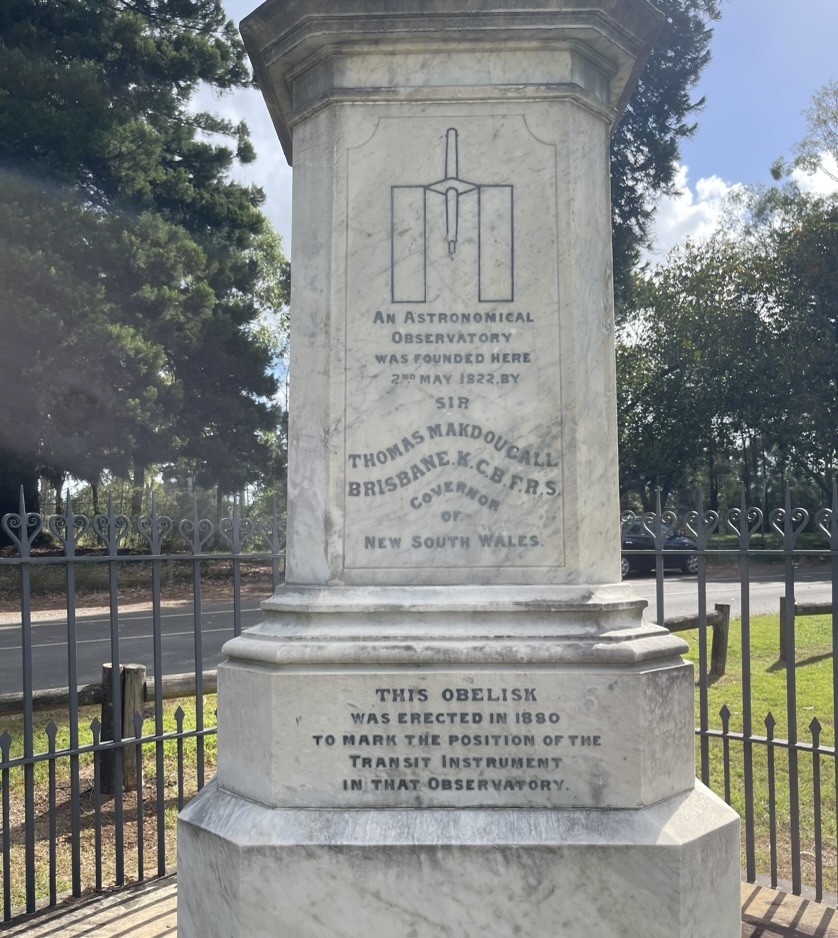
Parramatta Observatory
Parramatta Observatory was established in 1822 by astronomer Sir Thomas Brisbane, sixth governor of the New South Wales, soon after he and his family arrived in the colony. Although only a few sandstone pillars that once supported Brisbane’s instruments remain, this site in Parramatta Park connects us to our colonial…
-
McGraths Flat Fossil Field
McGraths Flat, near Gulgong, NSW, is an extraordinary fossil site dating back 16 to 11 million years. Many of its fossils are perfectly preserved . The site provides a window into the Miocene Epoch and offers valuable scientific data about our geological and biological past, including Miocene forest ecosystems.
-
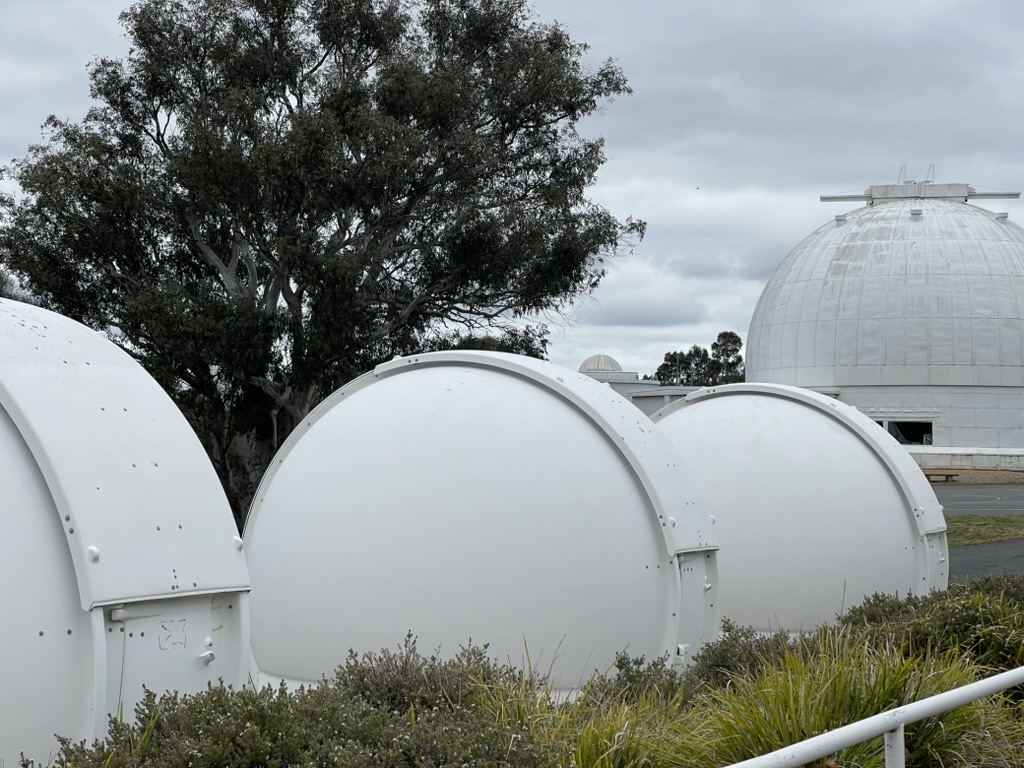
Canberra Astronomical Society (CAS)
Canberra Astronomical Society holds monthly meetings and regular public events at ANU’s Mount Stromlo Observatory, where its two telescope domes are located. Its stargazing nights attract hundreds of people. Reservations for these events are essential.
-
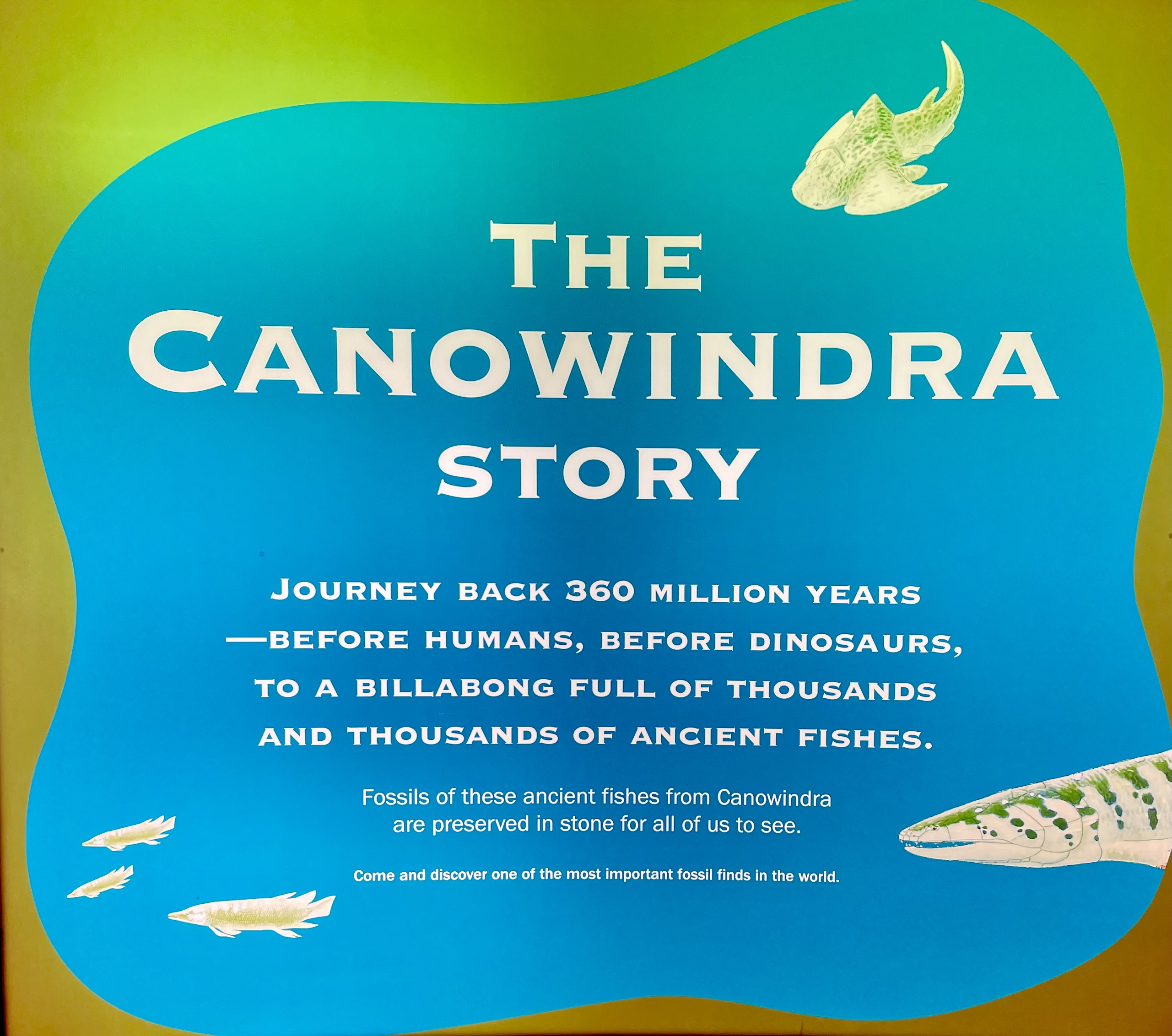
Canowindra Age Of Fishes Museum
The Age of Fishes Museum in Canowindra, NSW, showcases fish fossils from the Devonian Period, dating back 360 million years when Australia was part of the supercontinent Pangea. The museum highlights the evolutionary history of life on Earth and gives visitors a unique glimpse into our deep past.
-
UNSW Canberra Space
UNSW Canberra Space, located at the Australian Defence Force Academy in Canberra, specializes in advanced satellite systems. It operates a primary ground station hosted by Cingulan Space near Yass, NSW, for satellite operations and communications, supporting telemetry and data downloads. It has an additional station on campus for backup and…
-
Cingulan Satellite Tracking Station
Cingulan Space, at Yass, NSW, operates a satellite tracking station in partnership with UNSW Canberra and the Australian Department of Defence. Cingulan provides satellite telemetry services for the Space community, and have developed an Interferometry Receiver to enhance Australia’s space domain awareness. They also provide STEM education support to local…
-

UpCyc: Reactivating an old Radio Telescope
UpCyc, a 10-metre heritage radio antenna at the University of Canberra, was originally used for tracking satellites at Canberra’s Orroral Valley Tracking Station. It is now being restored by University staff and students for educational and research purposes. Its new site includes protected habitat for the endangered Golden Sun Moth.
-

MSATT Astronomical Teaching Facility
The MSATT Astronomical Teaching Facility at Mount Stromlo Observatory offers free astronomy education with advanced telescopes and instruments. Founded by Geoff McNamara and supported by philanthropists, it targets high school students. The facility provides resources, guides, and practical experiences to foster astronomical skills. Regular updates are available online.
-

Chau Chak Wing Museum
The Chau Chak Wing Museum’s collection of artifacts from Southwest Asia, Egypt, and the Mediterranean tells us more about the diverse ways our ancient ancestors understood the universe and populated it with deities and mythic heroes.
-
Oddie telecope
The Oddie Telescope was installed in Ballarat by philanthropist James Oddie to educate the public about astronomy. It was donated to the Commonwealth in 1909 and established at Mount Stromlo in 1911. Its dome the first Commonwealth building in Canberra. The Oddie was destroyed in the catastrophic 2003 bush fires.
-
Honeysuckle Creek Tracking Station
Honeysuckle Creek in the Australian Capital Territory was a NASA Earth station operational from 1967 to 1981. It was vital to NASA’s Apollo Moon missions and to Australia’s space industry. Its history is recounted on colourful interpretative signage on the site and on a tribute website.
-
Orroral Valley Tracking Station
The Orroral Valley Tracking Station, located in Namadgi National Park, ACT, was part of NASA’s tracking network for Earth-orbiting satellites. Situated 50 km south of Canberra, it represents Australia’s historical role in space exploration. More information can be found on dedicated websites and social media posts.
-

Geoscience Australia
Geoscience Australia is the statutory public sector agency which advises government, industry and the public on Earth Sciences. It carries out research, maintains the national minerals museum, undertakes a wide range of research and pubic outreach, and supports a satellite ground station network. Most of its data is available online.
-
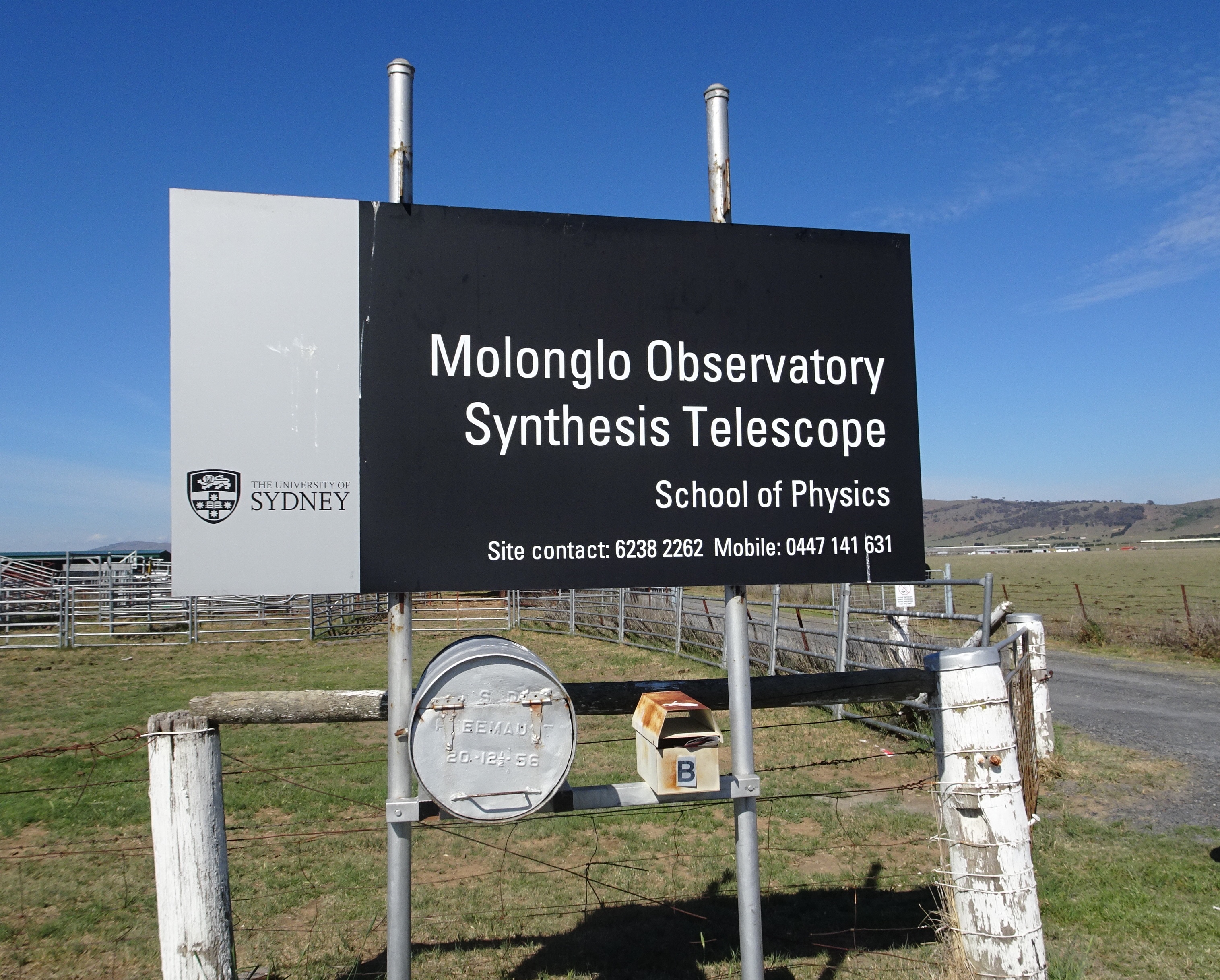
Molonglo Observatory Synthesis Telescope
The Molonglo Observatory Synthesis Telescope (MOST), is a parabolic cylindrical antenna owned by the University of Sydney near the village of Hoskinstown, NSW. Although it has undergone multiple upgrades, and has been used to make many important discoveries, its future remains uncertain due to changing technological and research needs.
-
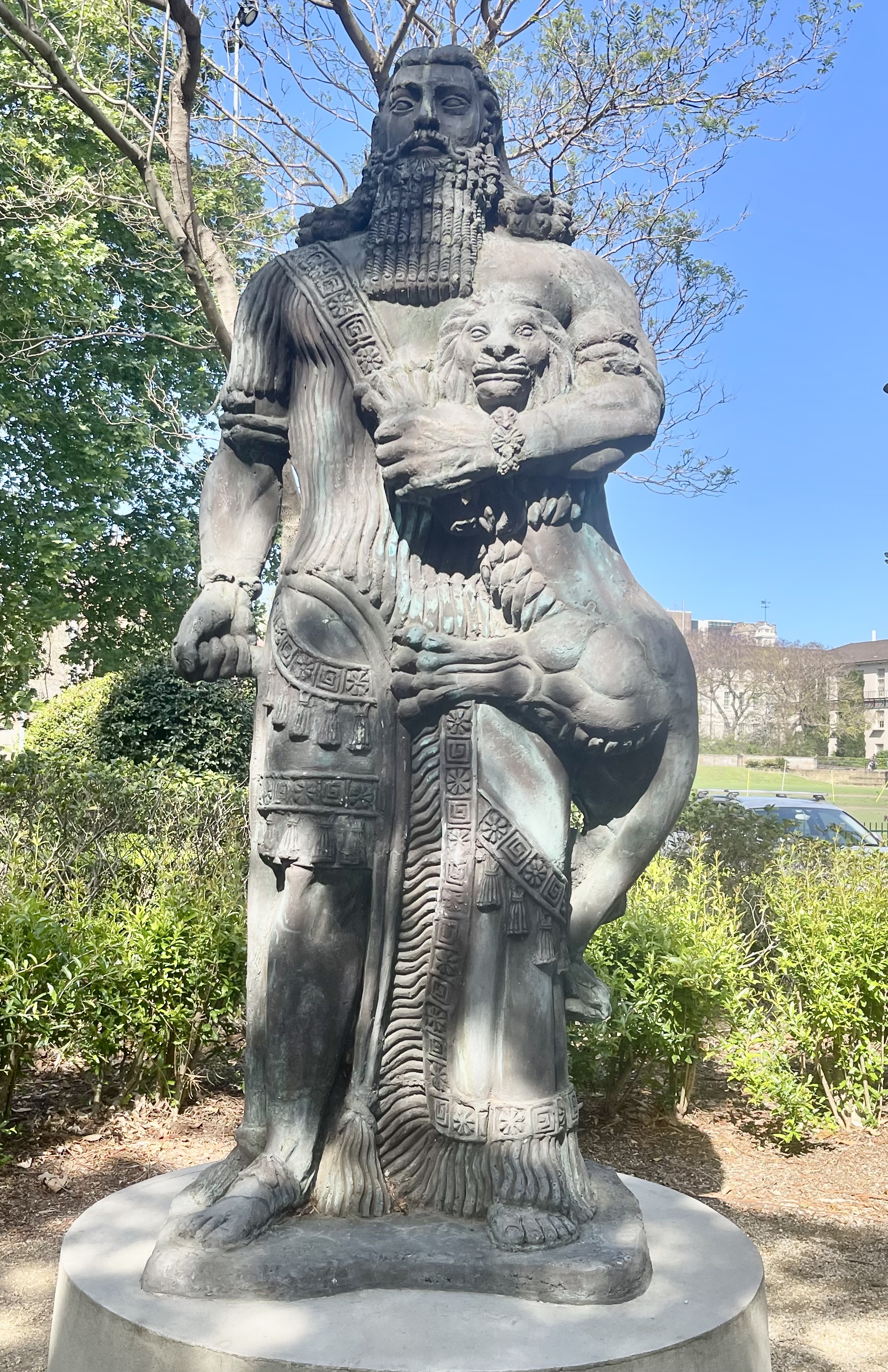
Statue of Gilgamesh
Sydney University’s statue of the mythic Mesopotamian cultural hero Gilgamesh, by Lewis Batros, takes us back to a time when people in southwestern Eurasia were inscribing their stories on clay tablets. One of these is the eponymous Epic which encodes ancestral sky knowledge, including still-familiar constellations of stars.
-

Physics Building, University of Sydney
Sydney University’s historic Physics Building, designed by Richard Threlfall in 1886, hosts the Sydney Institute of Astronomy and the School of Physics, led by astrophysicist Professor Tara Murphy. Although the architecture emphasises the University’s very Euro-centric C19th scientific heritage, what’s happening inside is much more inclusive and exciting.
-

Dawes Point Ta-Ra
Dawes Point Tar-Ra, on Gadigal Country, is the location of European Australia’s first astronomical observatory, established in 1788 by William Dawes. A young local woman, Patyegarang, taught Dawes her language, which he documented. His notebooks have since been used to revive ‘The Sydney Language’ following its loss due to the…
-
HMS Sirius
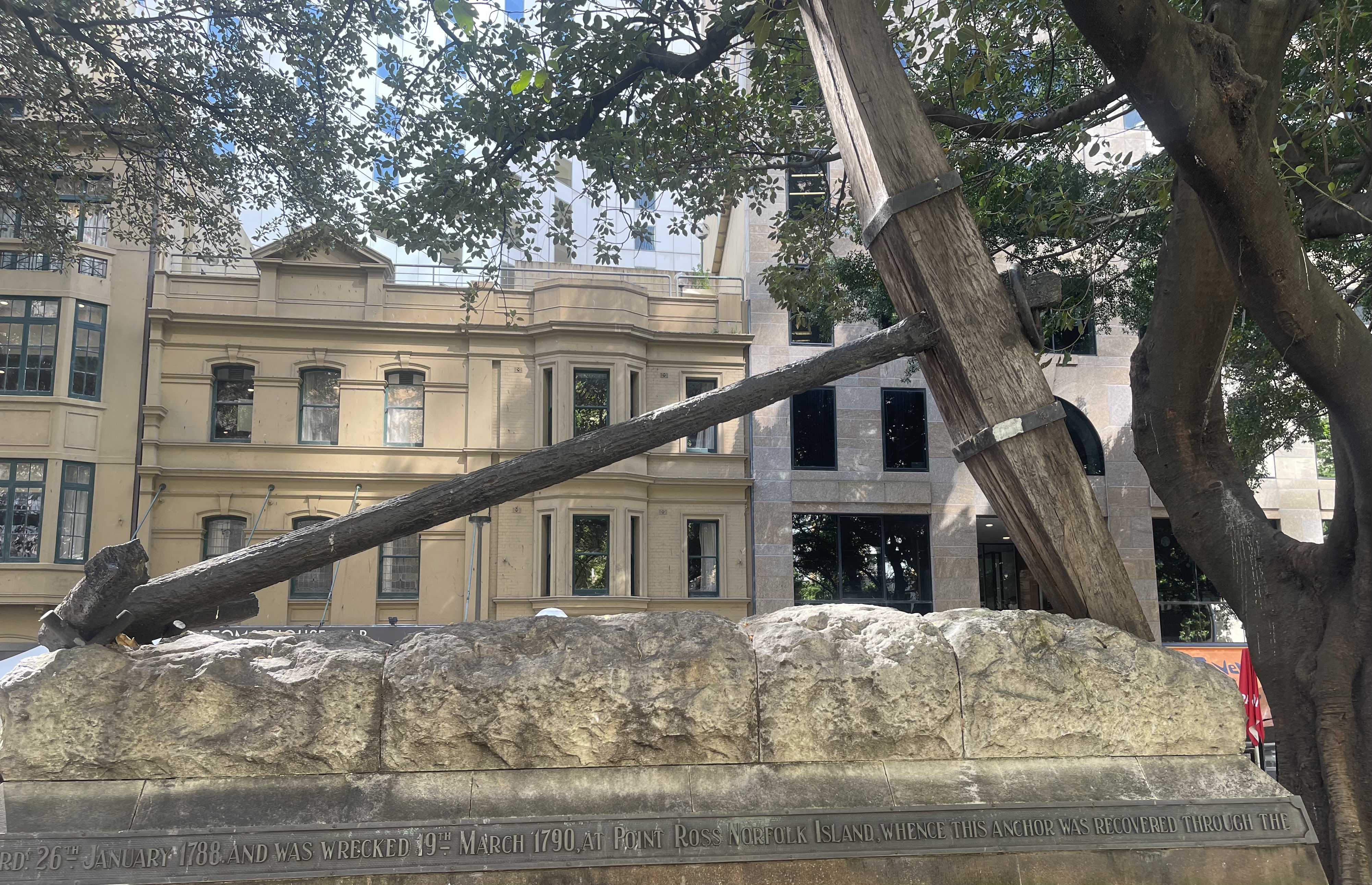
HMS Sirius was the flagship of imperial Britain’s First Fleet, which sailed into what is now Sydney Harbour in 1788. It was named for Sirius, the brightest star in the night sky and one of the most culturally significant. The ship was wrecked off Norfolk Island in 1790. Its anchor…
-
Gaanha bula (Mount Canobolas)
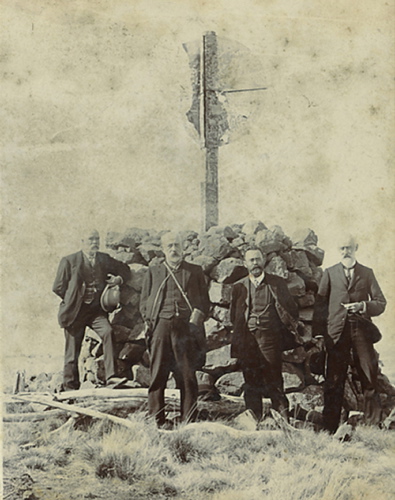
Gaarnha Bula Mount Canobolas, an extinct volcano near Orange, NSW, stands 1,390 meters above sea level. It is culturally significant to Wiradjuri people and a biodiversity hotspot, with diverse flora, fauna and fungi. It also hosts many communication towers, recreational activities, including stargazing, and many farms and vineyards on its…
-
Orange Planetarium
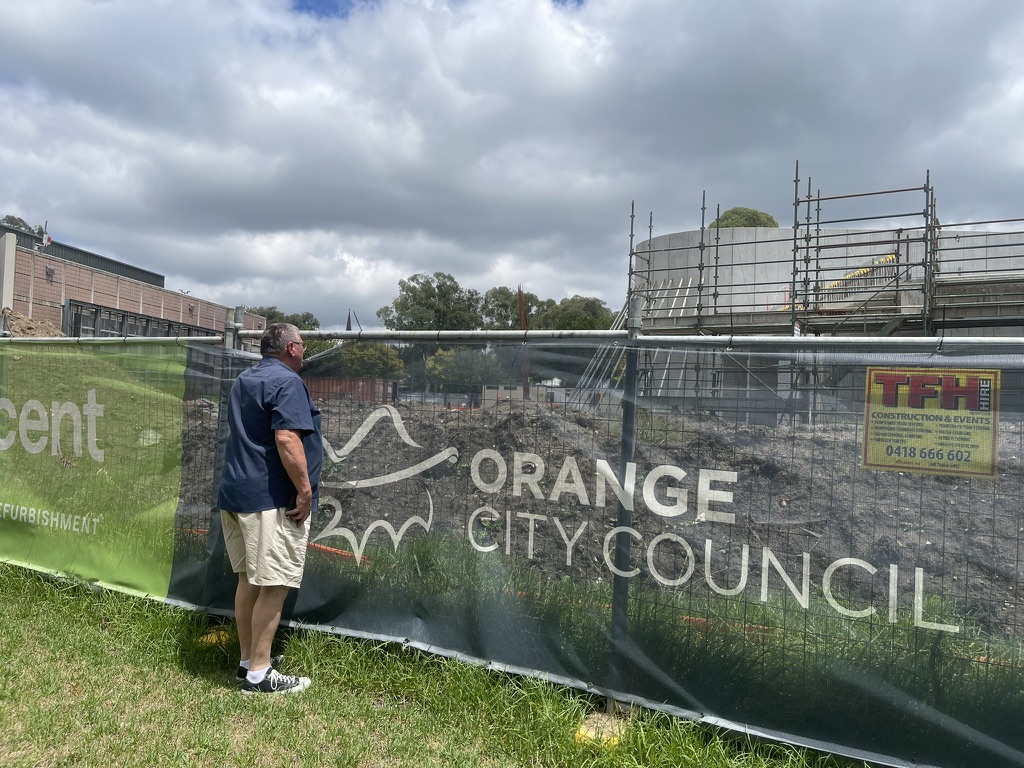
Rod Somerville shares his story about establishing a digital planetarium in the IAT town of Orange, NSW. Fueled by his childhood passion for astronomy, he collaborated with local enthusiasts to develop the project. On completion, the planetarium will inspire and educate both locals and visitors, and enhance regional tourism.
-

Long Baseline Array
The Long Baseline Array (LBA) utilizes very long baseline interferometry (VLBI) to connect radio telescopes operated by CSIRO’s ATNF and others, yielding high-resolution radio images of astronomical objects. Key instruments include Murriyang at Parkes Observatory, Mopra, and antennas from the University of Tasmania in Hobart and Ceduna.
-
Mopra Radio Telescope
Mopra Telescope near Coonabarabran, NSW, is a 22-metre radio telescope operated by CSIRO’s Australia Telescope National Facility (ATNF). In 2014 it faced budget cuts but was saved through a crowdfunding campaign, which raised over $90,000 for research. Mopra operate as a single dish or as part of ATNF’s long baseline…
-
Fleurs Radio Telescopes
CSIRO’s Fleurs Field Station was a pioneering radio astronomy observatory near Penrith, NSW, which operated from 1954 to 1963. Its most innovative instruments included the ‘Chris Cross’ and the Kennedy Antenna, now at the Parkes Observatory and known by its new Wiradjuri name, Giyalung Guluman (Smart Dish).
-

Giyalung Miil, Parkes Observatory
The Giyalung Miil, a 12-meter antenna at Parkes Observatory in Central West New South Wales, was commissioned in 2008. It tests technology for the Australian Square Kilometre Array Pathfinder (ASKAP), situated at the Murchison Observatory in remote Western Australia.
-
Giyalung Guluman, Parkes Observatory
Giyalung Guluman, or Smart Dish, is a decommissioned 18-meter radio astronomy telescope at CSIRO’s Parkes Observatory in New South Wales. It was built in 1960 at CSIRO’s Fleurs site at Penrith and moved to Parkes in 1963. Known then as the Kennedy Dish or Antenna, it was given its Wiradjuri…
-
Canberra Deep Space Communication Complex
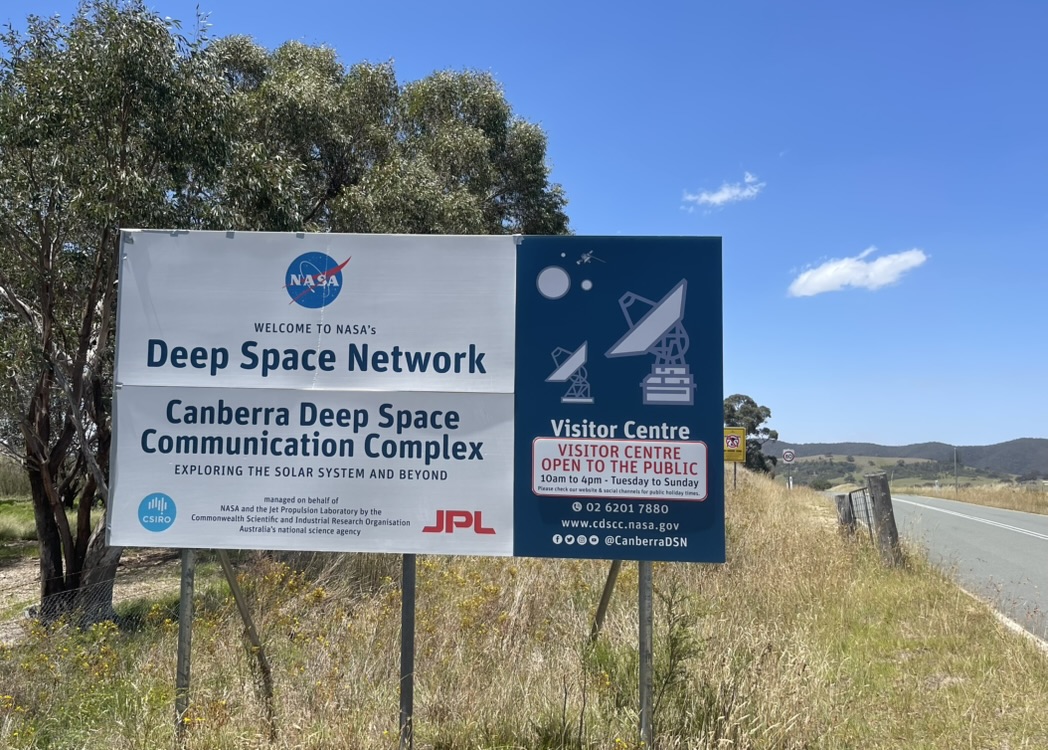
The Canberra Deep Space Communications Complex at Tidbinbilla, ACT, is part of NASA’s global Deep Space Network. Managed by CSIRO for NASA’s JPL, it tracks interplanetary and Earth-orbit spacecraft. The Visitors Centre is accessible on weekends, offering insights into its operations and current tracking activities.
-

Transit of Venus Walk
The family-friendly Transit of Venus Walk in Woodford, NSW, celebrates the 1874 Transit observations at the nearby Woodford Academy site. The track showcases the Blue Mountains’ natural beauty, encourages reflection on advances in our understanding of the universe, and reminds us how inhospitable Planet Venus is compared to Planet Earth.
-

Woodford Academy
In December 1874, astronomers set up a camp at Woodford Academy in the Blue Mountains to observe the Transit of Venus, an event critical for measuring the Earth-Sun distance. It was the first transit since 1769 and provided vital astronomical data to enhance our understanding of the universe.
-

Potts Hill Field Station
Potts Hill, in south-western Sydney, was home to a pioneering radio astronomy station from the late 1940s to the 1950s. Those who worked here included Australia’s first female astrophysicist, Ruby Payne-Scott. Discoveries made at Potts Hill established the then-new science of ration astronomy.
-
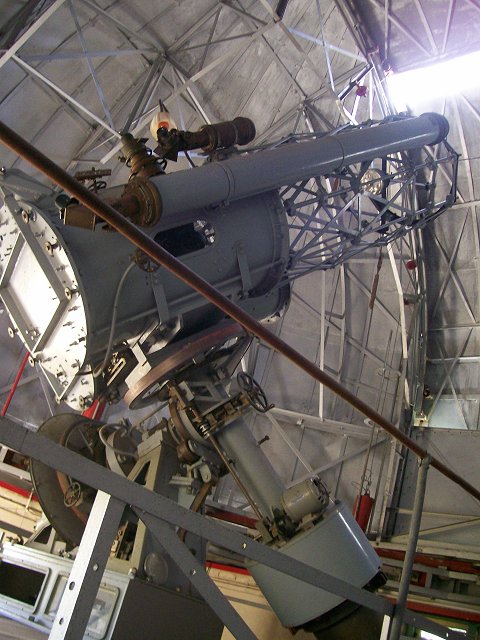
Linden Observatory
Linden Observatory, in the Blue Mountains, NSW, was established by engineer and amateur astronomer Ken Beames in the 1940s. Now managed by a charity, it is home to what was once Australia’s largest optical telescope. The site is in urgent need of volunteers to help preserve and maintain it, however.