
-

Rodney Reserve, Dover Heights
Rodney Reserve at Dover Heights, Sydney, a former WWII radar station, is one of Australia’s most important radio astronomy heritage sites. Between 1946 to 1954 it was CSIRO’s Division of Radiophysics leading field station. Its various radio antennae were pivotal to the advancement of radio astronomy.
-

Collaroy Plateau
In October 1945, scientists Joe Pawsey, Ruby Payne-Scott, and Lindsay McCready modified a WWII radar station at Collaroy Plateau, Sydney, and detected strong radio emissions from the Sun. This event marked the birth of Australian radio astronomy. The site, now known as Collaroy Plateau Park, commemorates this historic achievement.
-
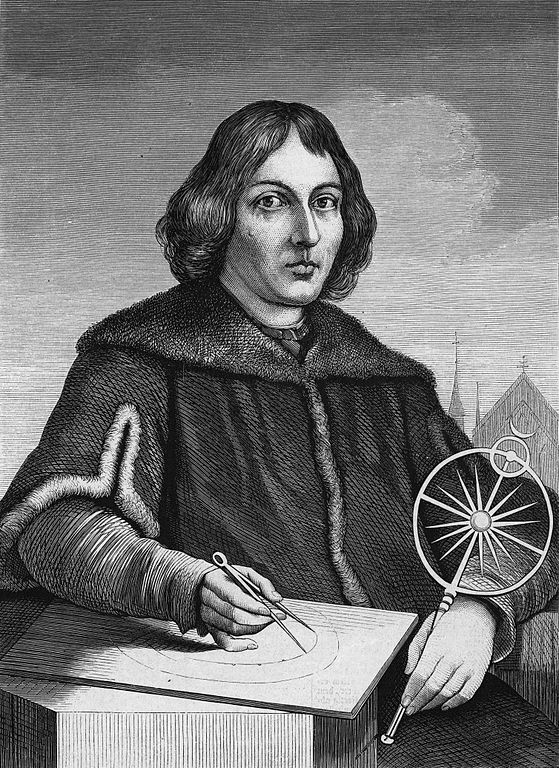
Copernicus at Sydney University
We don’t have any sites directly associated with the European monk, astronomer, astrologer, mathematician and general polymath Nicolaus Copernicus (1473 – 1543), of course, but the University of Sydney does have a very rare 1566 edition of his famous book, De revolutionibus orbium coelestium (On the Revolutions of the Heavenly…
-
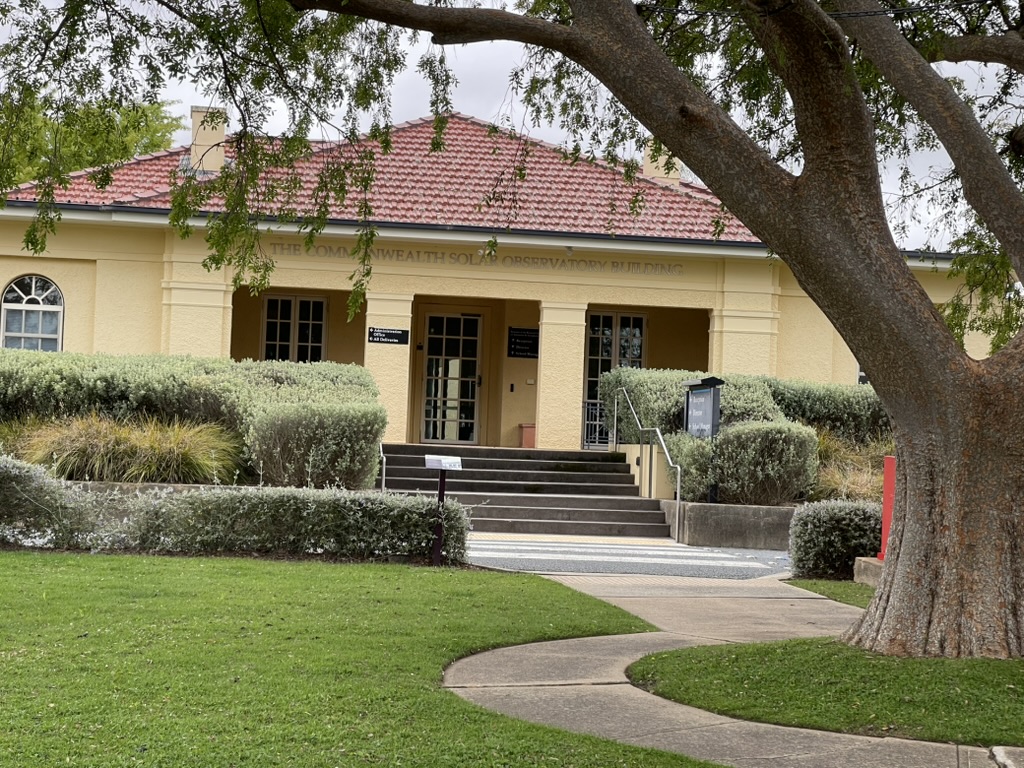
Mount Stromlo Observatory
The Australian National University’s Mount Stromlo Observatory on the outskirts of Canberra, houses ANU’s Research School of Astronomy and Astrophysics (RSAA), its many heritage telescopes, and other facilities, including the Advanced Instrumentation and Technology Centre, MSATT Astronomy Teaching facility, and the new Quantum Communication Ground Station.
-

La Perouse Museum
La Perouse Museum, on the northern headland of Kamay Botany Bay, occupies the 1882 Cable Station overlooking Kamay-Botany Bay. In 1788 a French scientific expedition, led by Comte de Lapérouse, spent six weeks in the Bay. French astronomers erected a temporary observatory on the foreshore near this site.
-
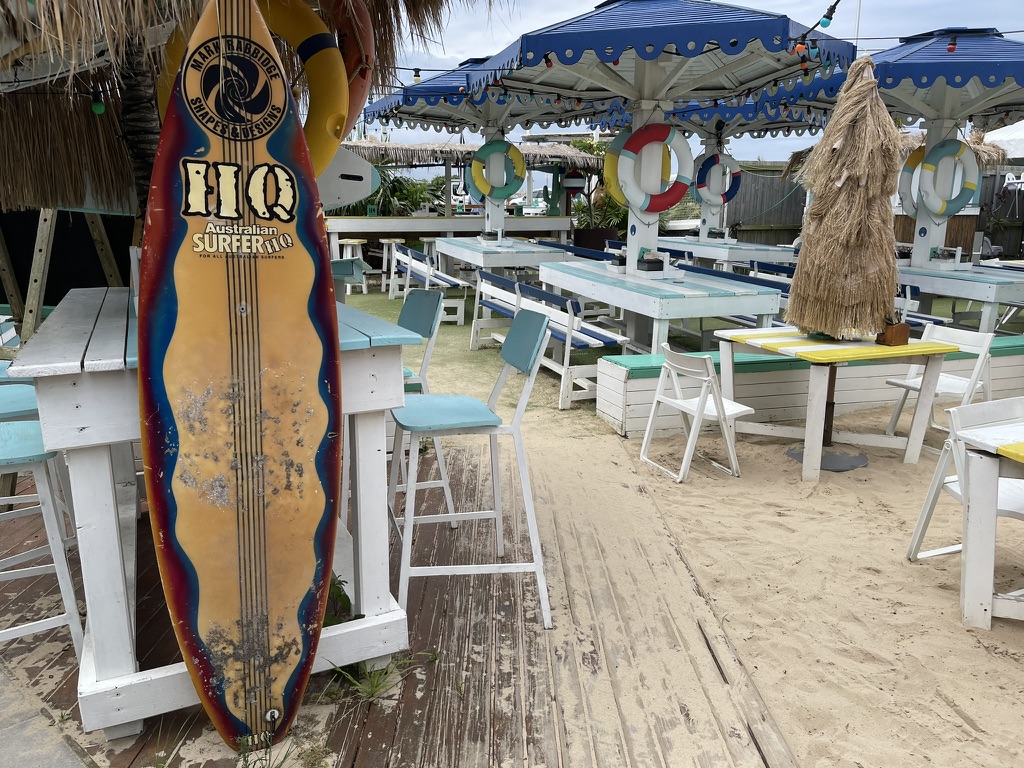
Cook At Kurnell
Cook At Kurnell, a uniquely quirky outdoor cafe overlooking Kamay-Botany Bay, in the very culturally diverse industrial suburb of Kurnell, is our first astro-gastronomy site. It takes its name from the British ship Endeavour’s captain, Lt James Cook, who came ashore not far from this cafe in 1770.
-
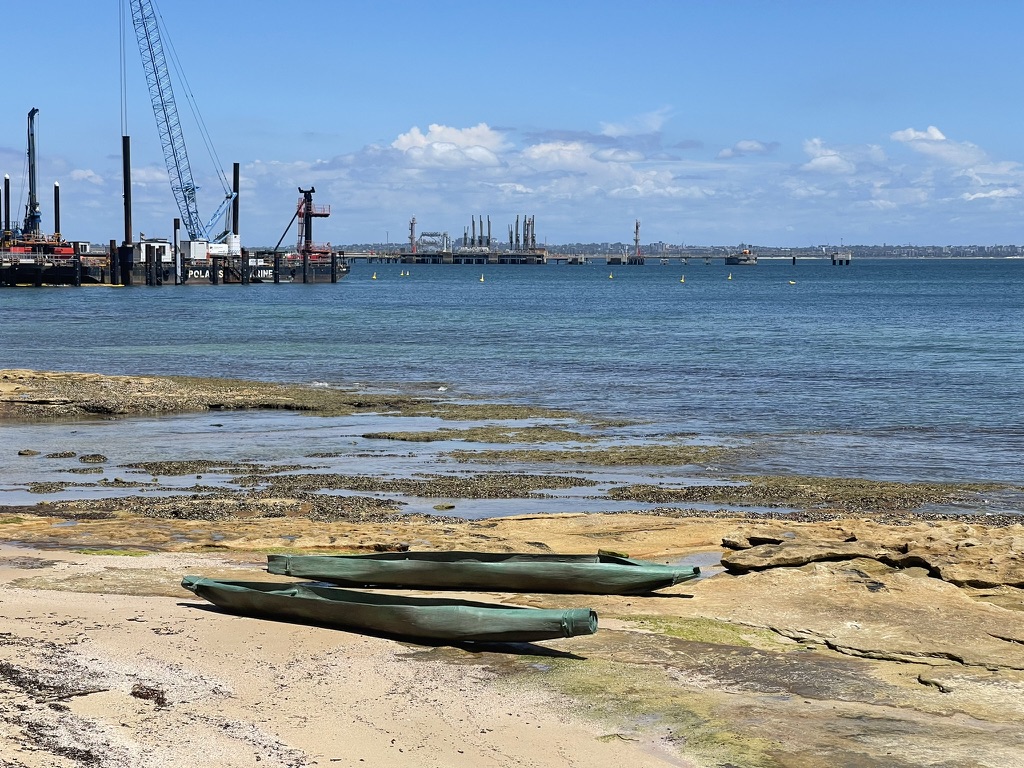
Kamay-Botany Bay National Park
The Kamay-Botany Bay astro-sites are difficult to write about because interactions here between the region’s First Peoples and Europeans in 1770, 1788, and in later years, have been so profoundly consequential. Future IAT posts will acknowledge this heritage in the spirit of truth-telling, with reference to the following themes: Page…
-

Stargazing At Bogan Gate in the 1960s
Retired educator Neville Jennings recalls his early teaching years at a village primary school at Bogan Gate, NSW, in the 1960s when the Parkes radio telescope was being built. He intertwines his memories of teaching his young students about astronomy and space with his own experiences of the night sky…
-

Murriyang: Parkes Radio Telescope
Murriyang is a 64-meter radio telescope at Parkes Observatory, part of CSIRO’s Australia Telescope National Facility (ATNF) network. Operational since 1962, it has been used to make many fundamental discoveries. Murriyang played a crucial role in the Apollo 11 Moon Landing and now supports NASA’s Artemis mission to return to…
-
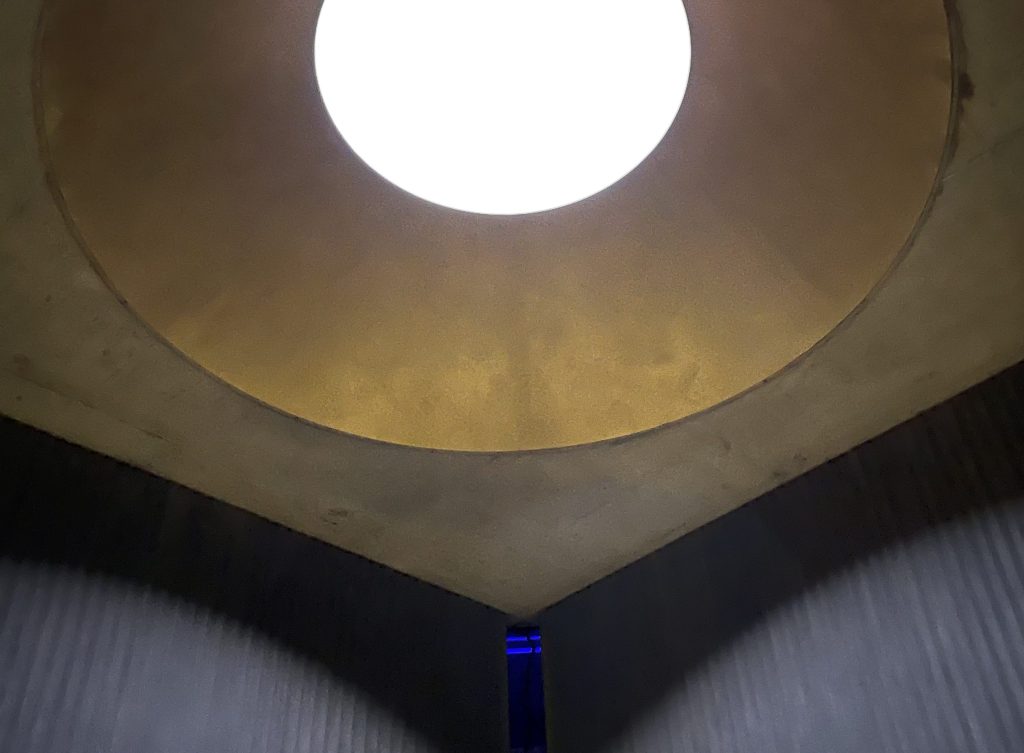
Cobar Sound Chapel
The Cobar Sound Chapel is a remote 120-year-old water tank repurposed by composer George Lentz and architect Glen Murcutt AO to beam C21st music to the universe 24/7. This immersive artwork offers visitors unique auditory, visual, cognitive and even spiritual experiences in the Australian Outback.
-
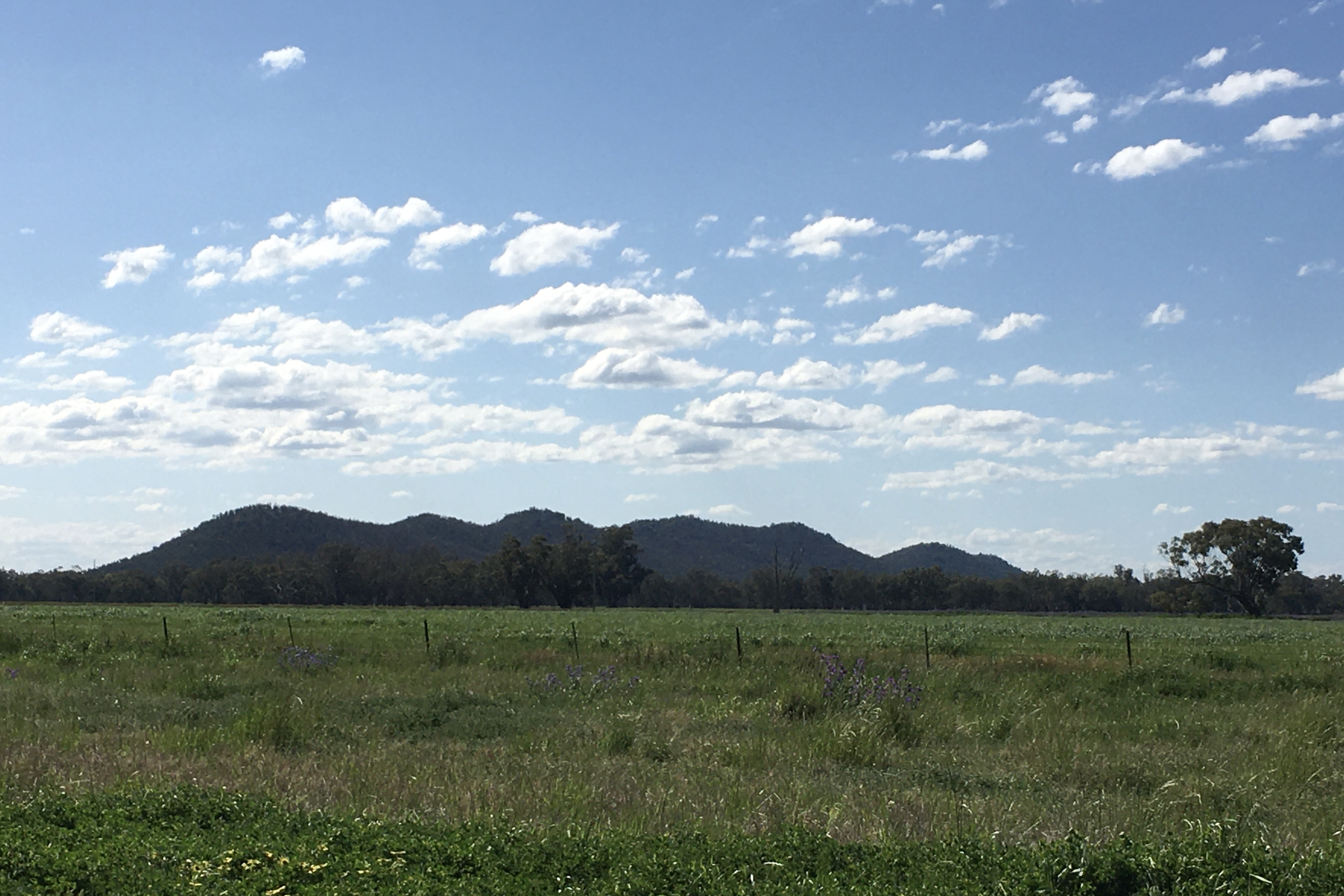
My Seven Sisters Dreaming
Merrill Findlay reflects on the cultural significance of the Pleiades star cluster and Seven Sisters Ridge, in Wiradjuri Country. Her story explores the impacts of colonisation, including the loss of life and knowledge, with particular reference to the 1824 declaration of martial law by British astronomer and colonial Governor, Sir…
-

Wahluu (Mount Panorama)
Wiradyuri people commemorated the 200th anniversary of Governor Brisbane’s 1824 declaration of martial law with a corroboree on Wahluu, their sacred mountain. ‘Martial law was the beginning of the almost complete annihilation of Wiradyuri in this region and this story was almost forgotten,’ Wiradyuri leader Yanhadarambal (Jade Flynn) said.
-

Celestial Highway
On a road trip into Wiradjuri Country after a painful divorce, author Carly Lorente reflects on themes of grief, identity, and belonging. She finds connection at the Condo SkyFest: Miima Warrabinya, where ancient stories bridge cultural divides, fostering a sense of communal belonging and cosmic exploration.
-
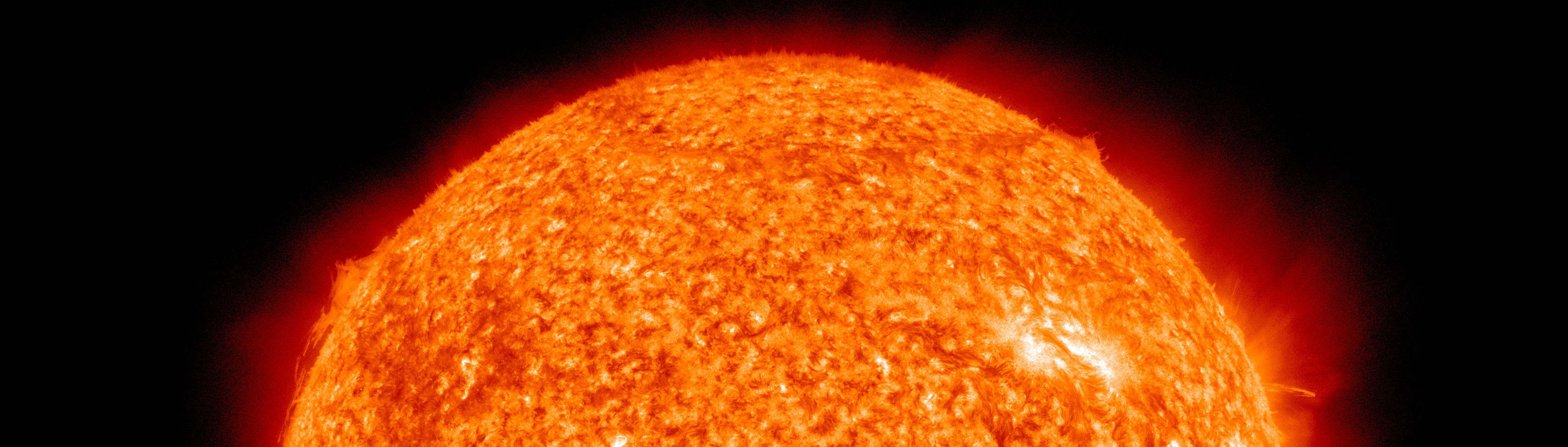
Staring at the sun
Novelist Tracy Sorensen visits the Birmingham Solar Oscillations Network (BiSON) facility at Narrabri’s Paul Wild Observatory and struggles to understand the mysteries of photons, spectropscopy and helioseismology. A great story.
-
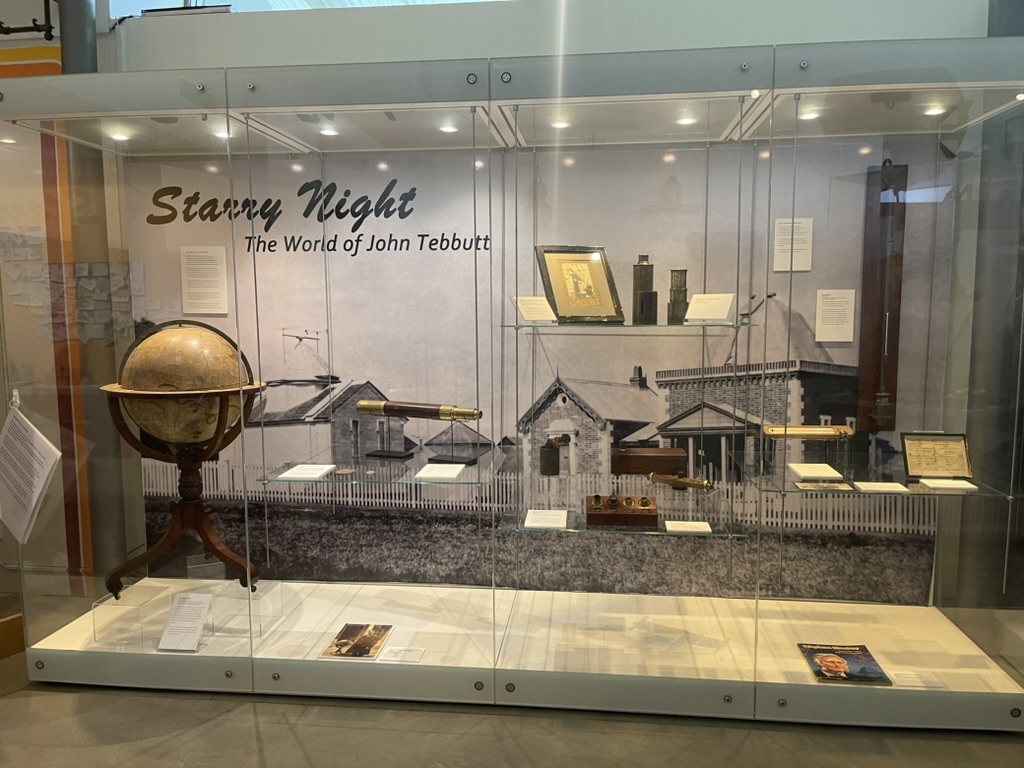
Tebbutt’s Observatory
John Tebbutt’s Observatory in Windsor, NSW, is a significant but underrecognized 19th-century astro-heritage site. Scholarly literature details Tebbutt’s outstanding astronomical achievements and his contribution to colonial society. The site, which includes the historic Tebbutt homestead, faces an uncertain future and urgently requires financial support to ensure its preservation.
-
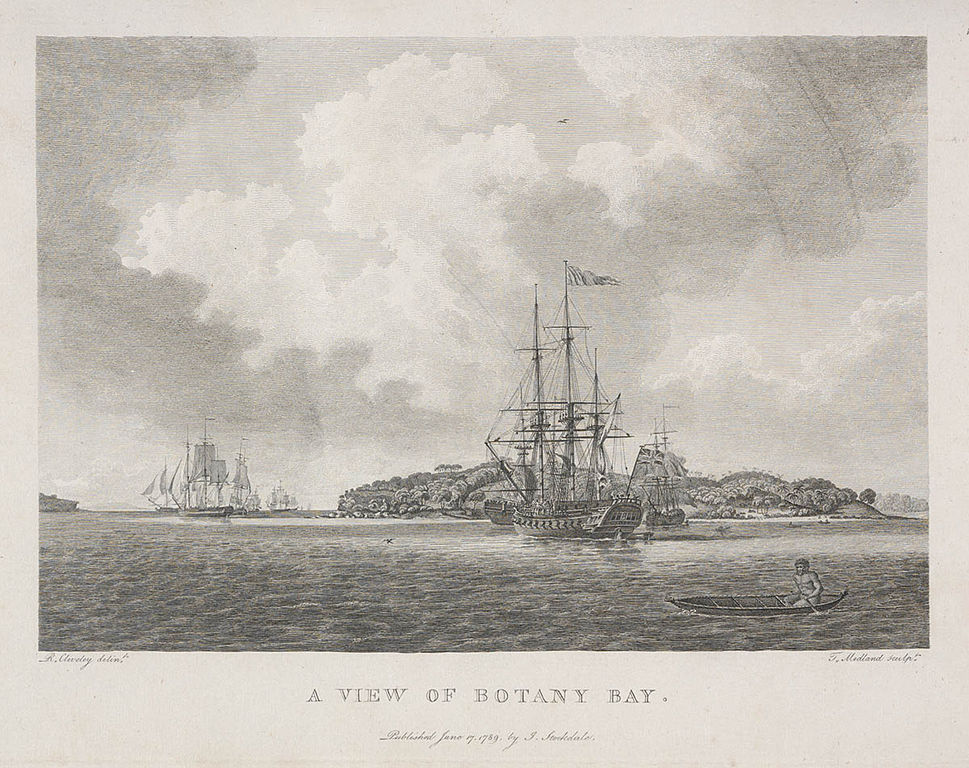
Kamay-Botany Bay 1788
In 1788 the eleven ships of Britain’s so-called First Fleet sailed into Kamay-Botany Bay followed, soon after, by the two French ships of Compte de La Pérouse‘s scientific expedition. Both of these arrivals were extraordinarily consequential, although in different ways.
-
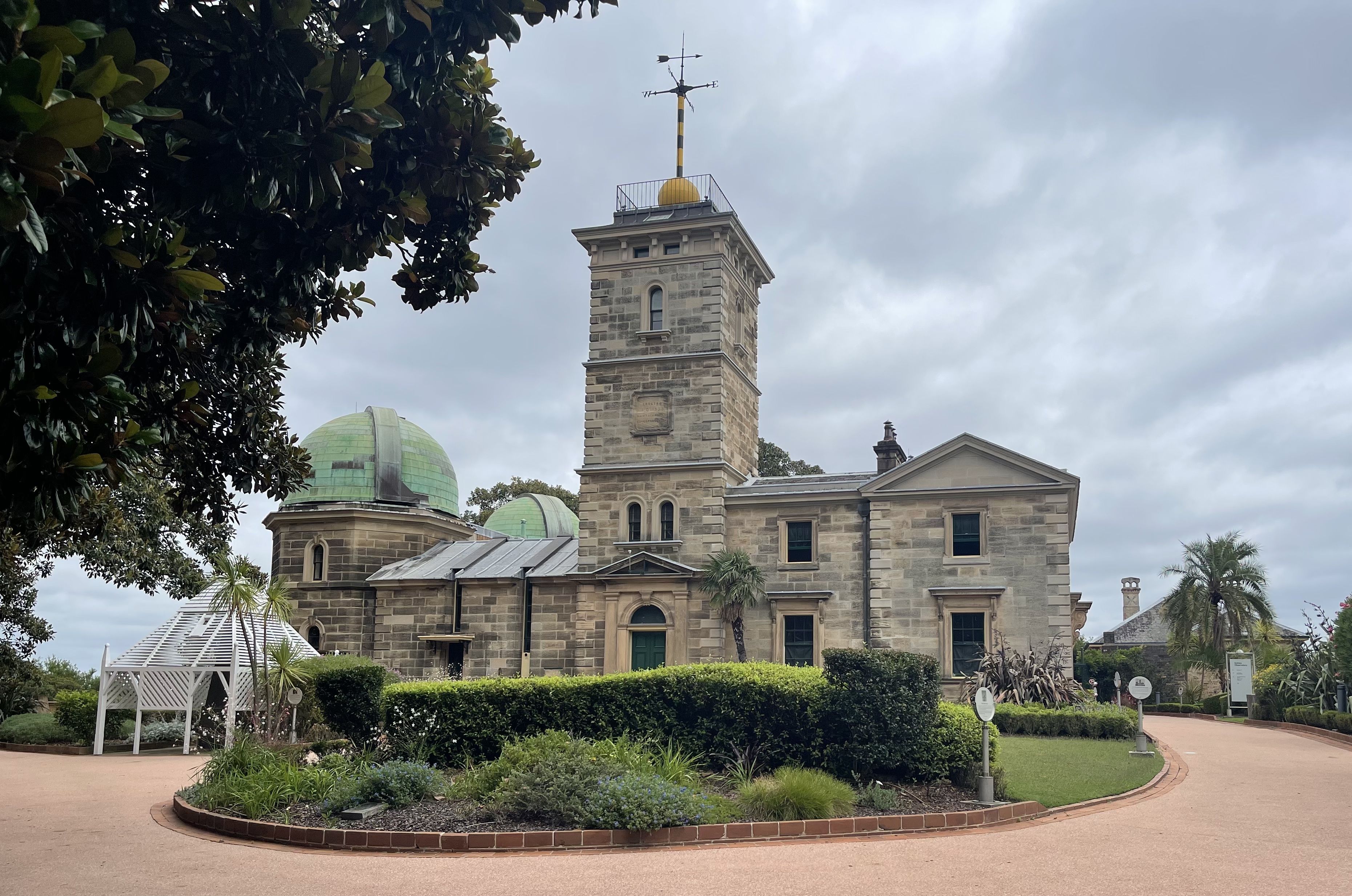
Sydney Observatory
Sydney Observatory, on Observatory Hill, Millers Point, is a historic astronomical observatory completed in 1858. It is now part of the city’s Powerhouse Museum. It offers public tours and educational programs and exhibits related to astronomy, including Indigenous astronomy. It remains a significant landmark in the city.
-

Kamay-Botany Bay 1770
In April 1770, British navigator Lieutenant James Cook, his officers, guests and crew sailed into Kamay-Botany Bay aboard the British barque Endeavour, after observing the 1769 Transit of Venus in Tahiti and circumnavigating New Zealand. Their arrival is now remembered as one of the most consequential events in Australia’s still-contested…
-

Parkes Observatory
Parkes Observatory, located 18 km northeast of Parkes, New South Wales, hosts three radio telescopes managed by CSIRO. These are the 64-metre Murriyang, the decommissioned 18-metre Giyalung Guluman (Kennedy Dish), and the 12-metre Giyalung Miil. The site also hosts a Visitors Discovery Centre and various other facilities.
-

Cosmic Conjunctions At Parkes
The Elvis Festival draws thousands of fans to Parkes each January, generating millions of dollars for the local economy and fostering connections between music, astrophysics and people’s future aspirations. Many visitors are amazed by the celestial wonders of the region’s dark nights and by research at the Parkes Observatory.
